Local feeder (Diptera: Cecidomyiidae) in stems of Phryma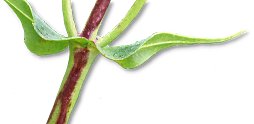
| Record no.: | 0382 |
|---|---|
| Feeding guild: | Local feeder in stem |
| Taxonomy: | Diptera: Cecidomyiidae: Neolasioptera sp. |
| Stages observed: | trace, larva, pupa, adult |
| Distribution observed: | IA, MN |
| Hosts in Phryma: | P. leptostachya (American lopseed) |
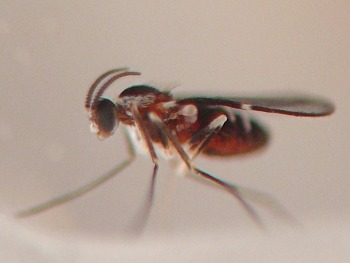
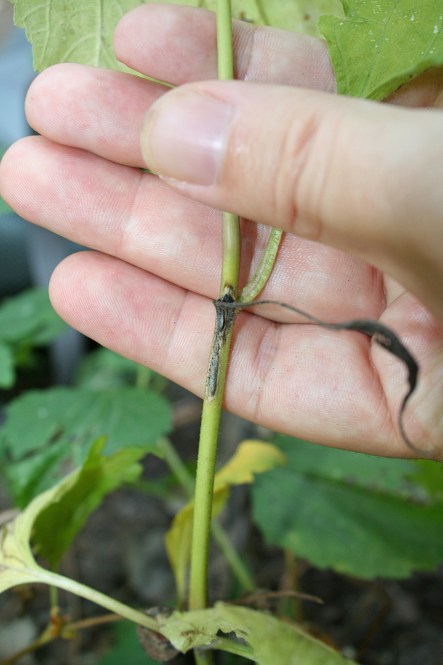
Where the larva of this cecidomyiid dwells within the stem of the host, the stem exterior becomes locally discolored -- it blackens and may also show pale areas with dark spots. Furthermore, the discolored tissue sometimes assumes a sunken appearance. Examples I examined as part of the current study displayed the local discoloration of the stem but no visible swelling; however, in some cases, when the discoloration extended into a node, one of the leaves attached at the node was dead and shriveled. Larvae occurred in subsurface tissues within these blackened areas of the stem in late September. In one example, the blackened area contained a parasitoid wasp larva instead. The cecidomyiid has been identified as Neolasioptera sp. by R. J. Gagné (pers. comm.).
UPDATE, 2026: In late September 2024 I found an upper stem of the host (image 382-19) whose terminal portion had broken off, leaving behind an externally discolored area at the break point that appeared similar to the discolored inhabited areas I found on other lopseed stems in previous years (discussed above). Dissecting this stem at the break point did not reveal conclusive evidence of a cecidomyiid inhabitant in the discolored area, but there was some fungal blackening in the stem interior that was suggestive of Neolasioptera.
In mid-April 2026, I found an upper stem (senesced and overwintered from the previous growing season) with a similarly missing terminal portion and a cecidomyiid cocoon with an open anterior end protruding from the remaining portion of the stem (images 382-16 through 382-18). It seemed too early for an adult to have emerged from the cocoon during the current spring season, especially since the adults would apparently have nothing to do once emerged, given that new growth of their host plant had not even appeared yet. I hypothesized that the adult had emerged the previous autumn.
Also in mid-April 2026, I collected a larva that was overwintering just under the epidermis of an upper dead stem of lopseed. The larva dwelled in a tiny "bump" that projected slightly above the level of the surrounding surface tissue of the stem, but the bump was caused by the larva's body physically displacing the epidermis, not by any swelling of plant tissue. When I checked on the larva on May 2nd, it was in the process of forming the rounded anterior end of its cocoon, which breached the epidermis and extended out into the open air, forming a knoblike protrusion. Upon the adult's emergence on May 27th, this knoblike end of the cocoon served as an exit guide for the pupa and anchored the posterior end of the pupal exuviae in place as the adult wiggled out.
 Prev
Prev
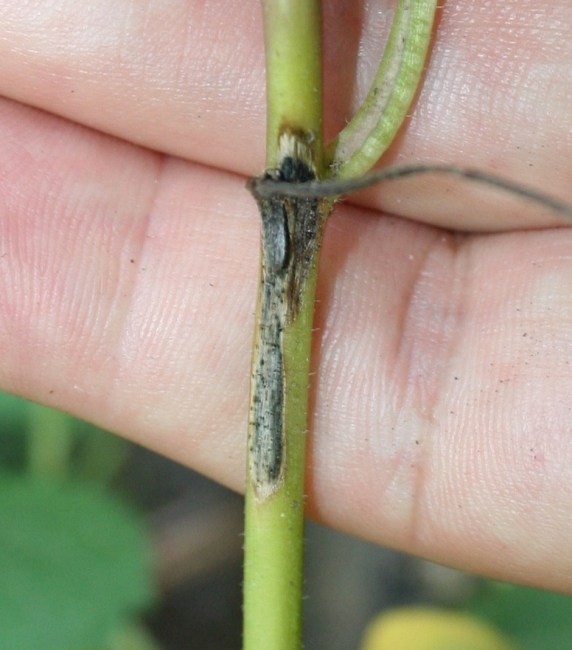
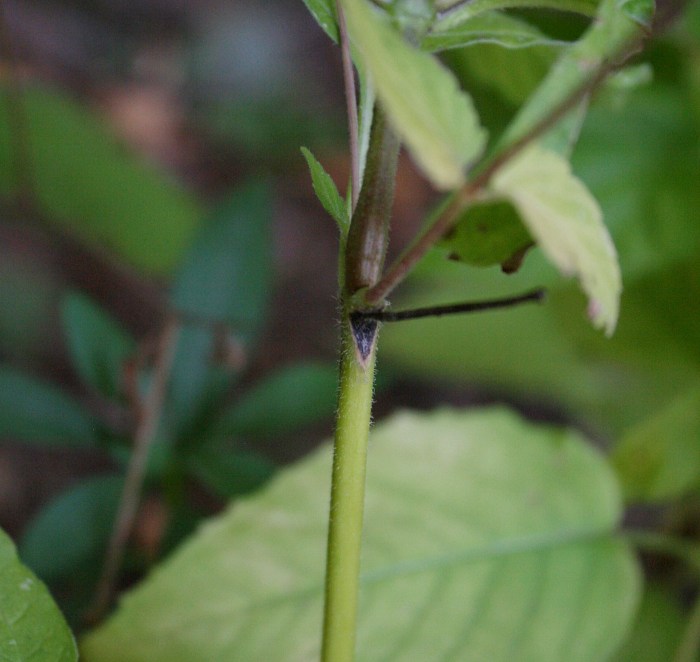
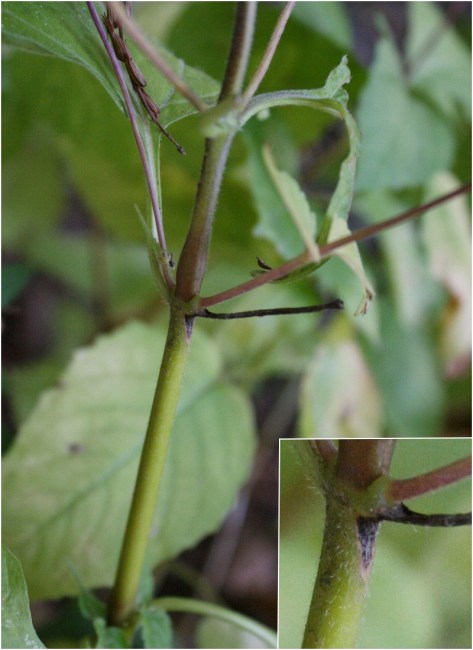
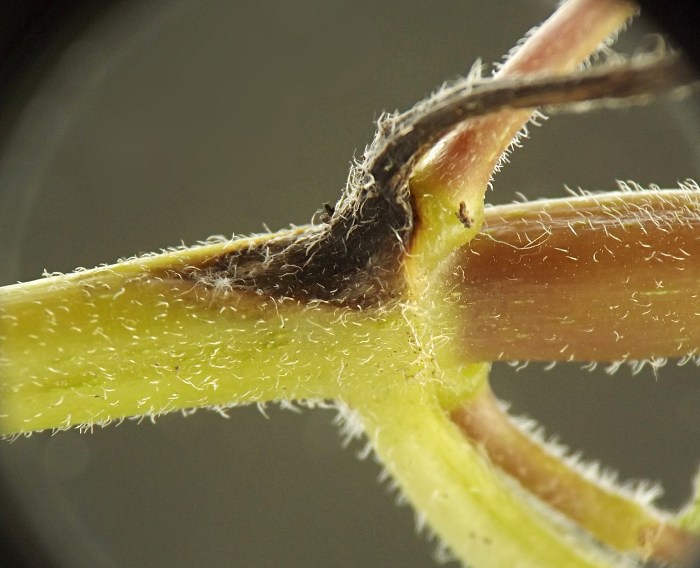
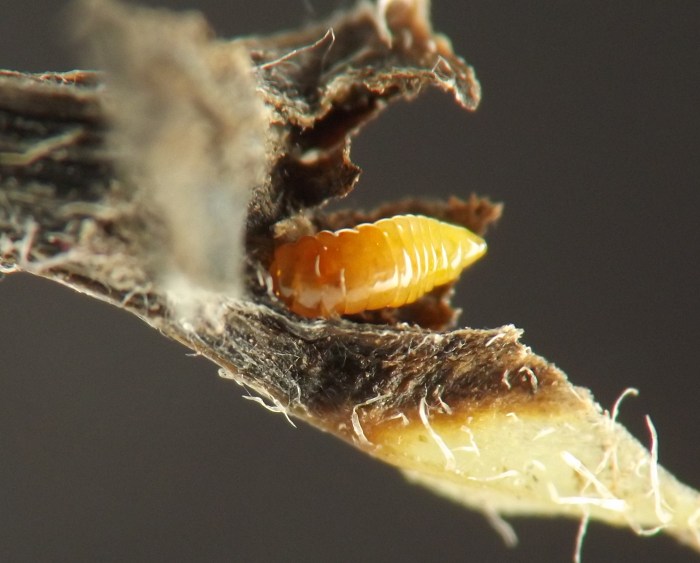
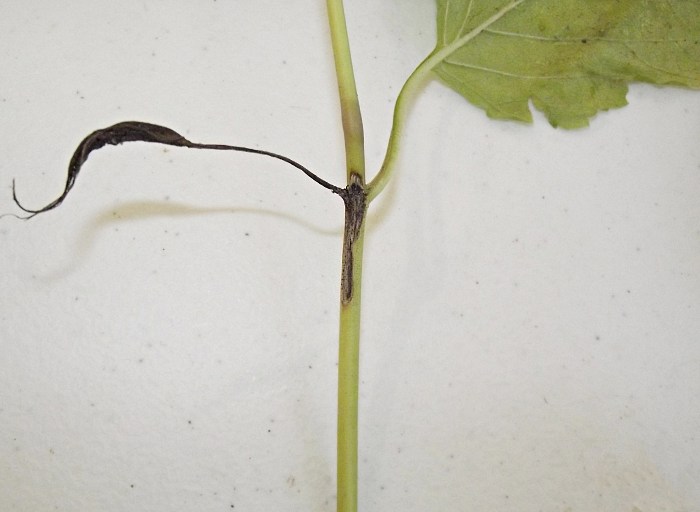
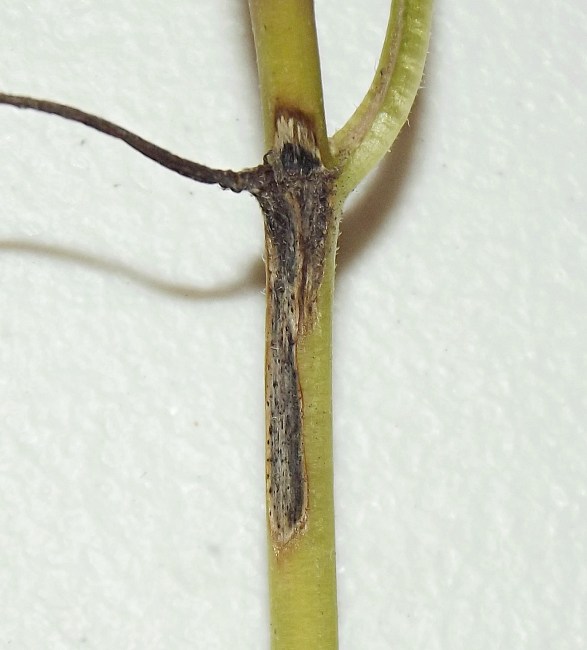
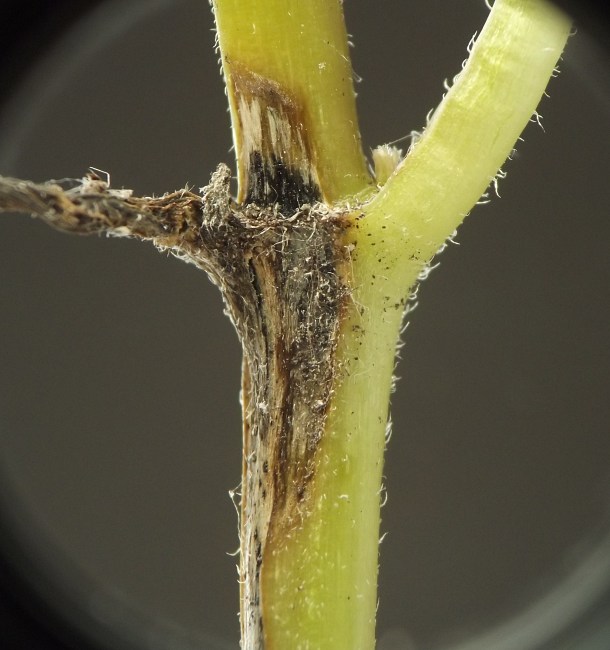
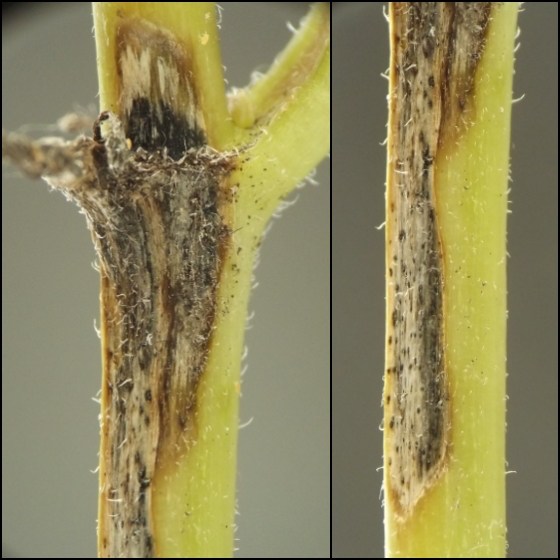
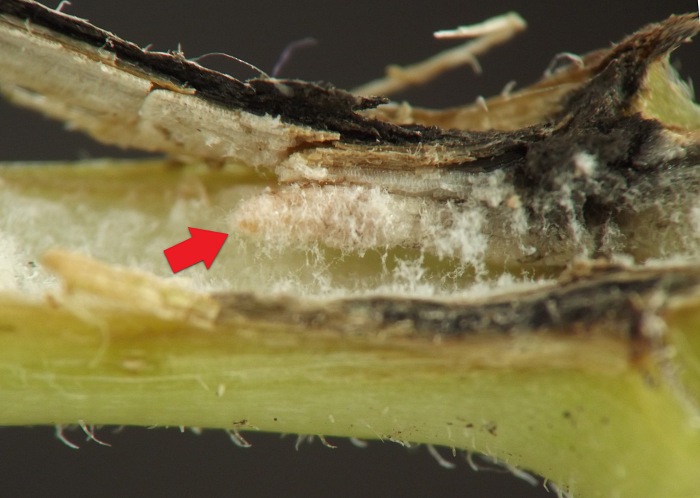
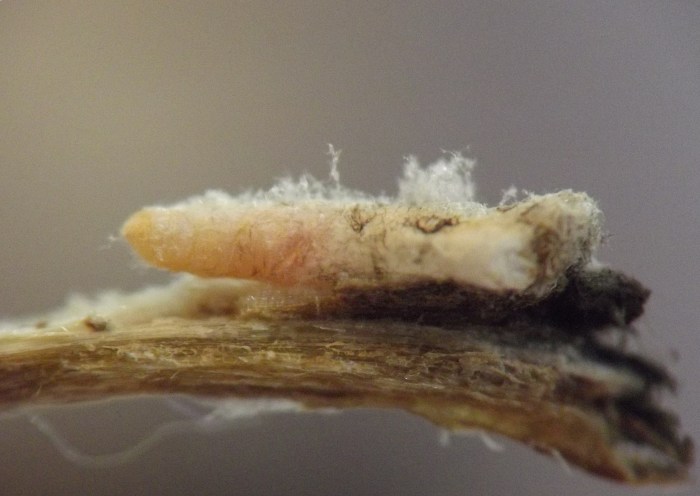
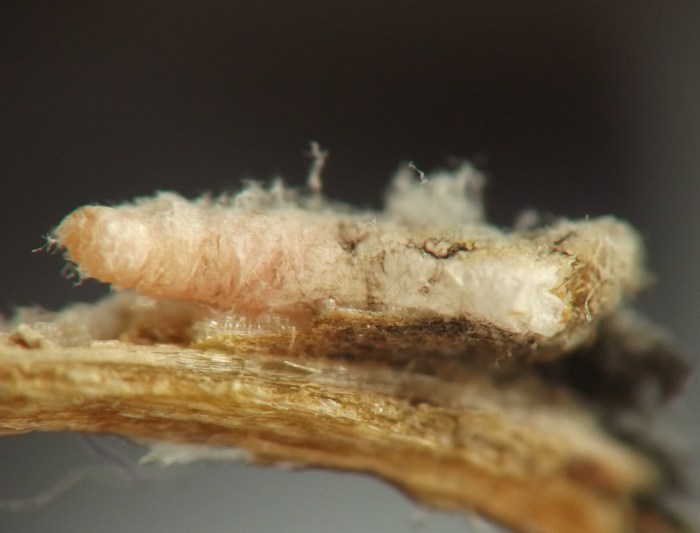
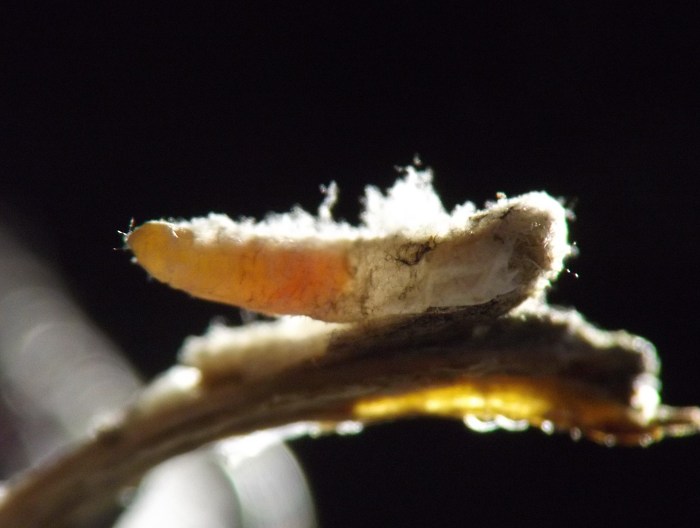
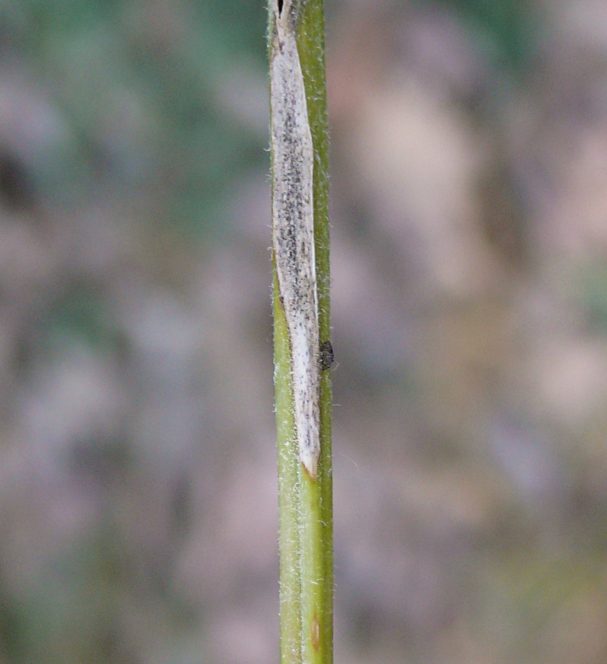
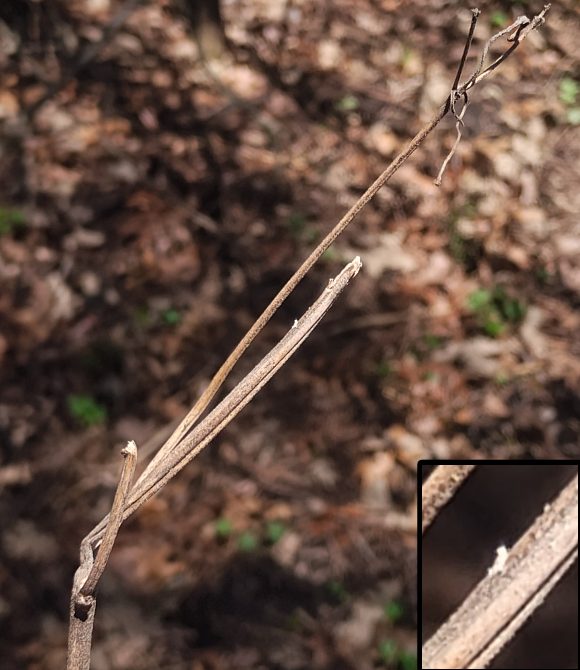
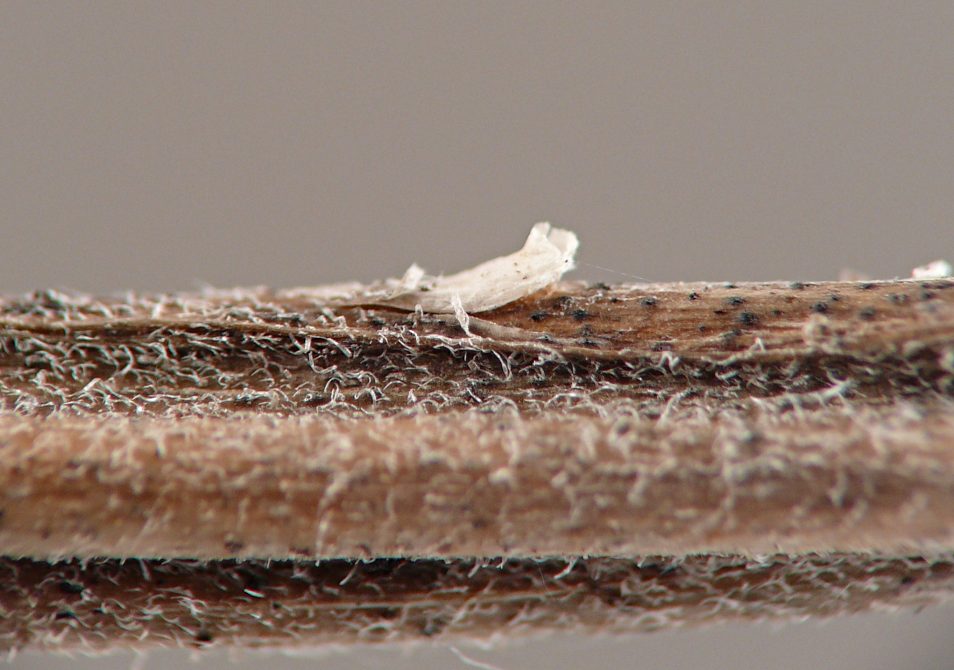
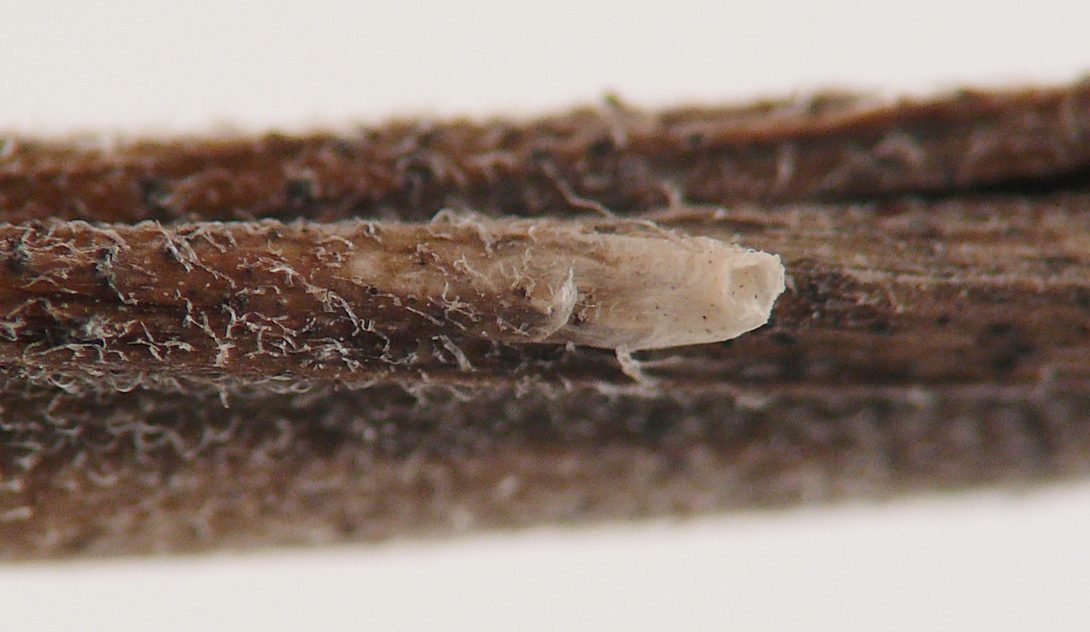
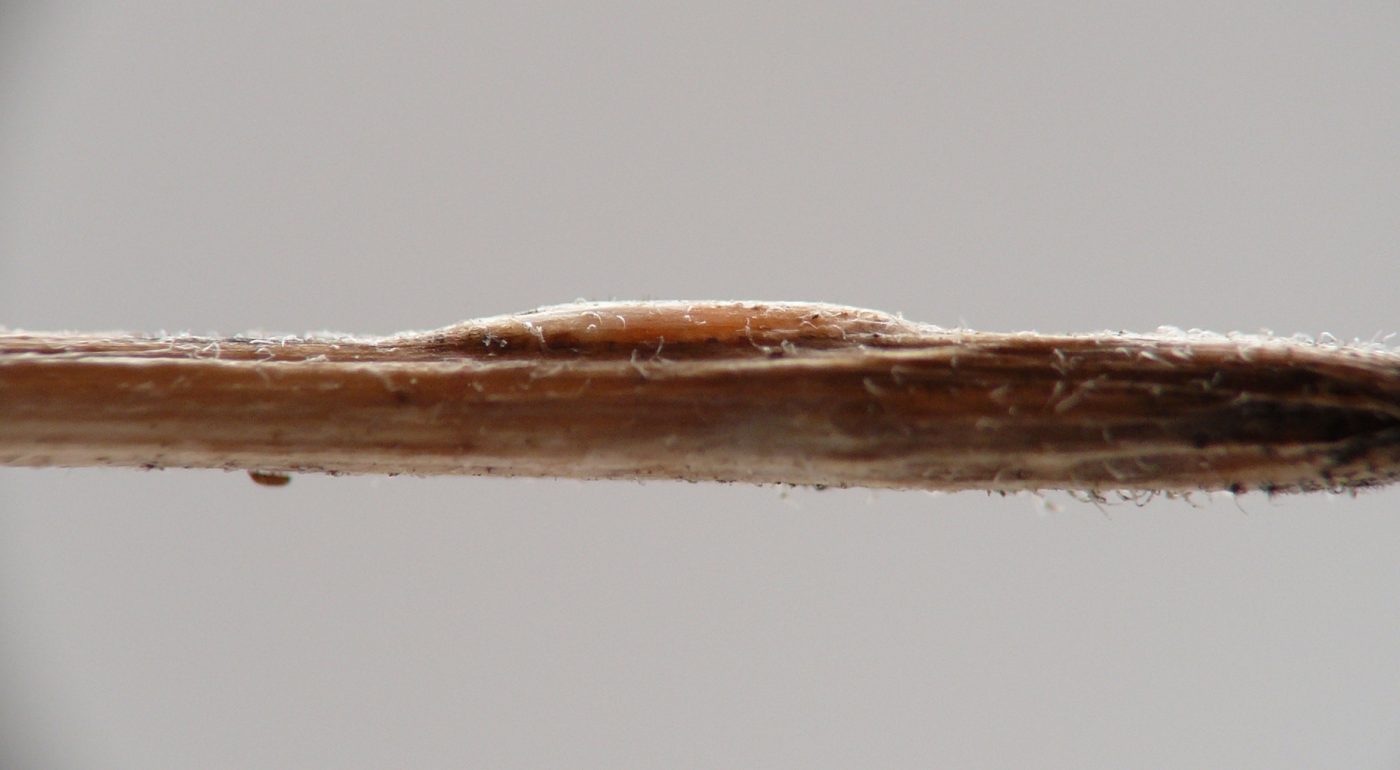
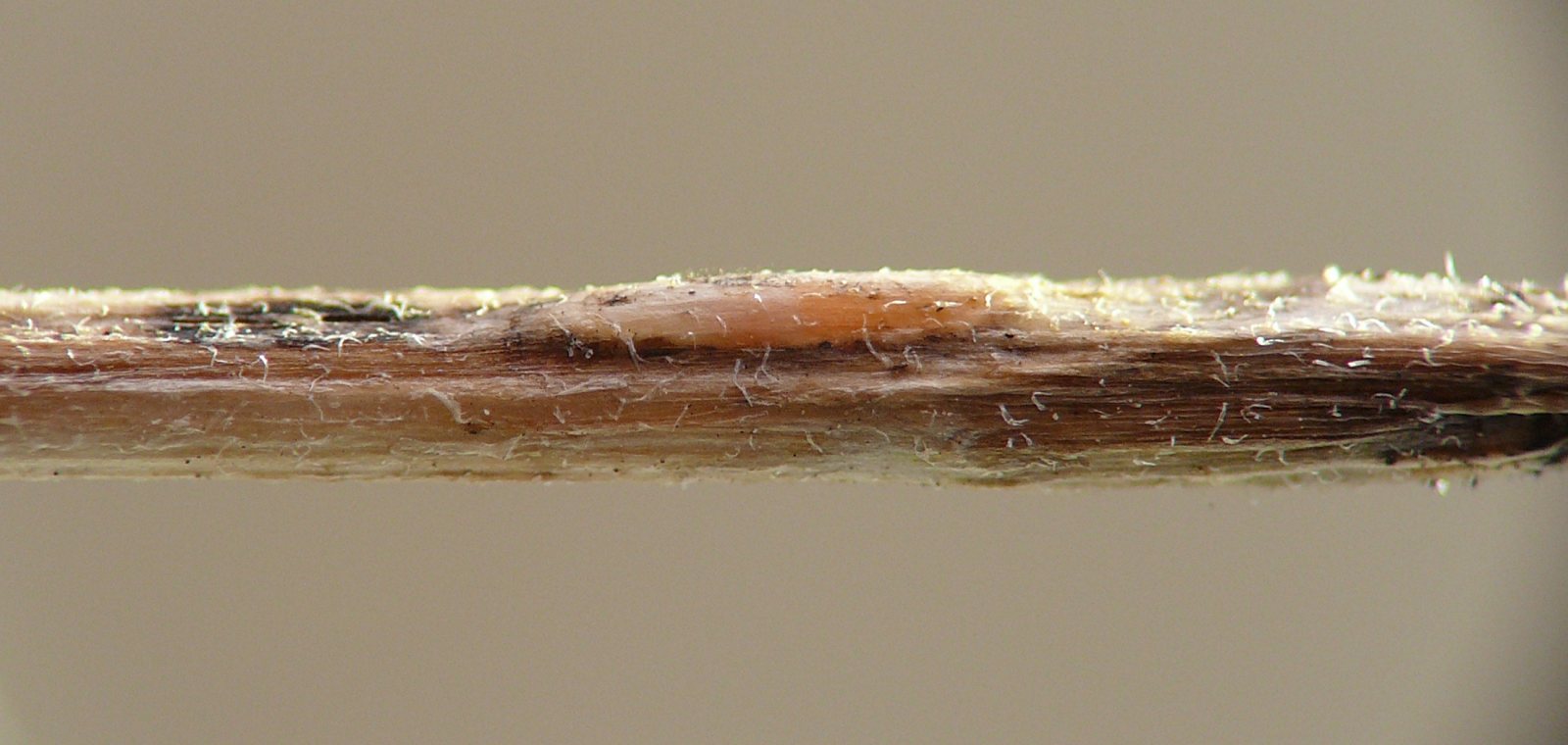
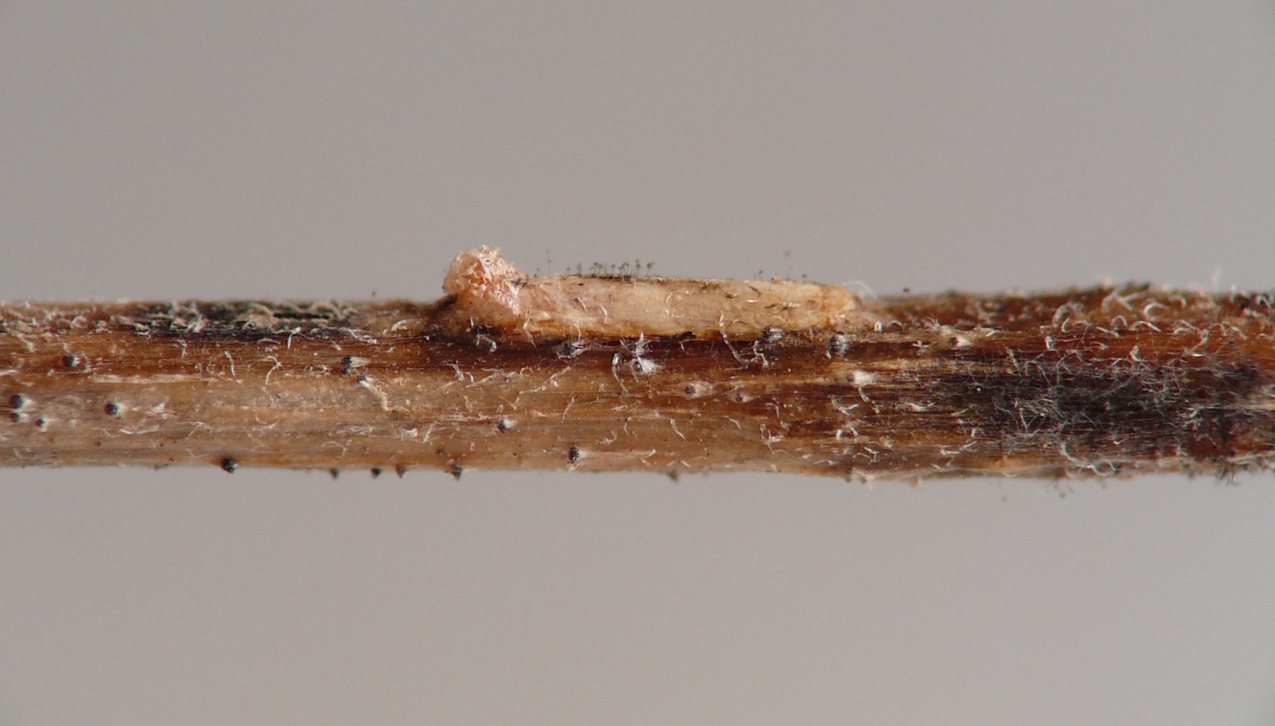
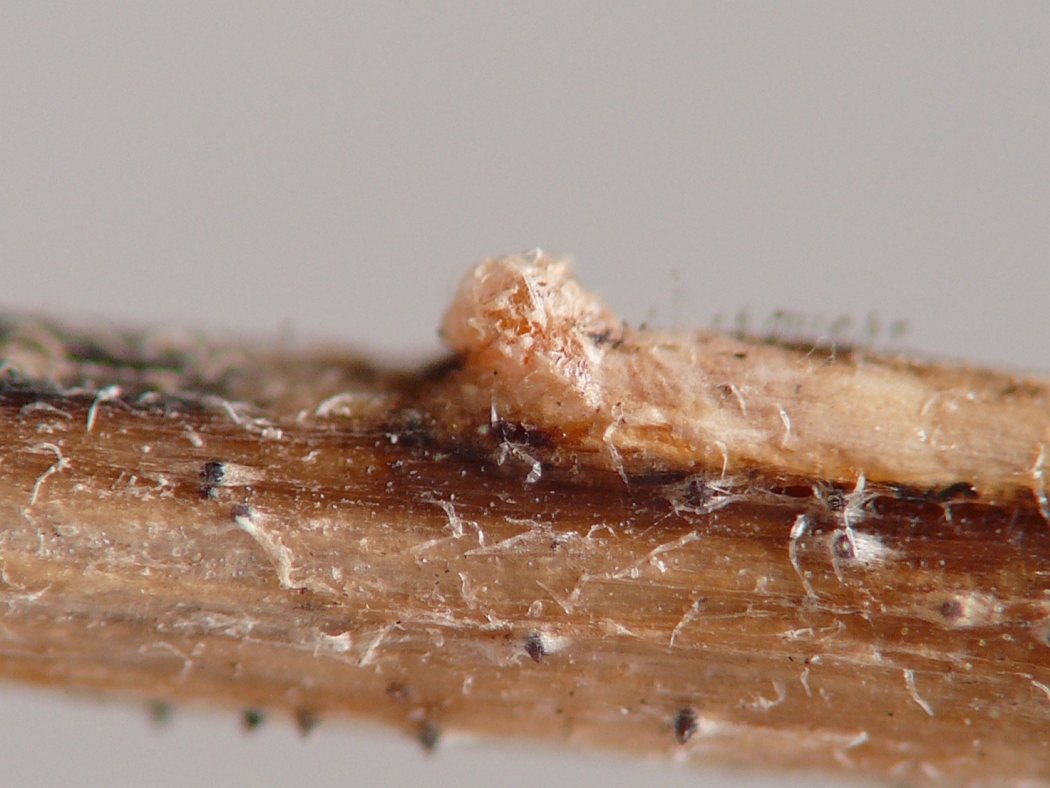
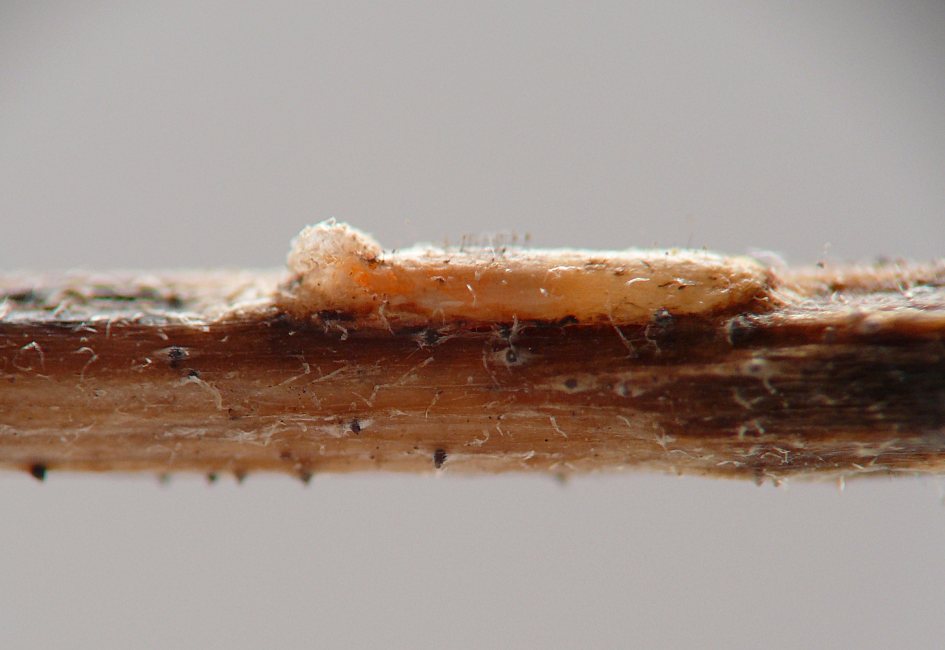
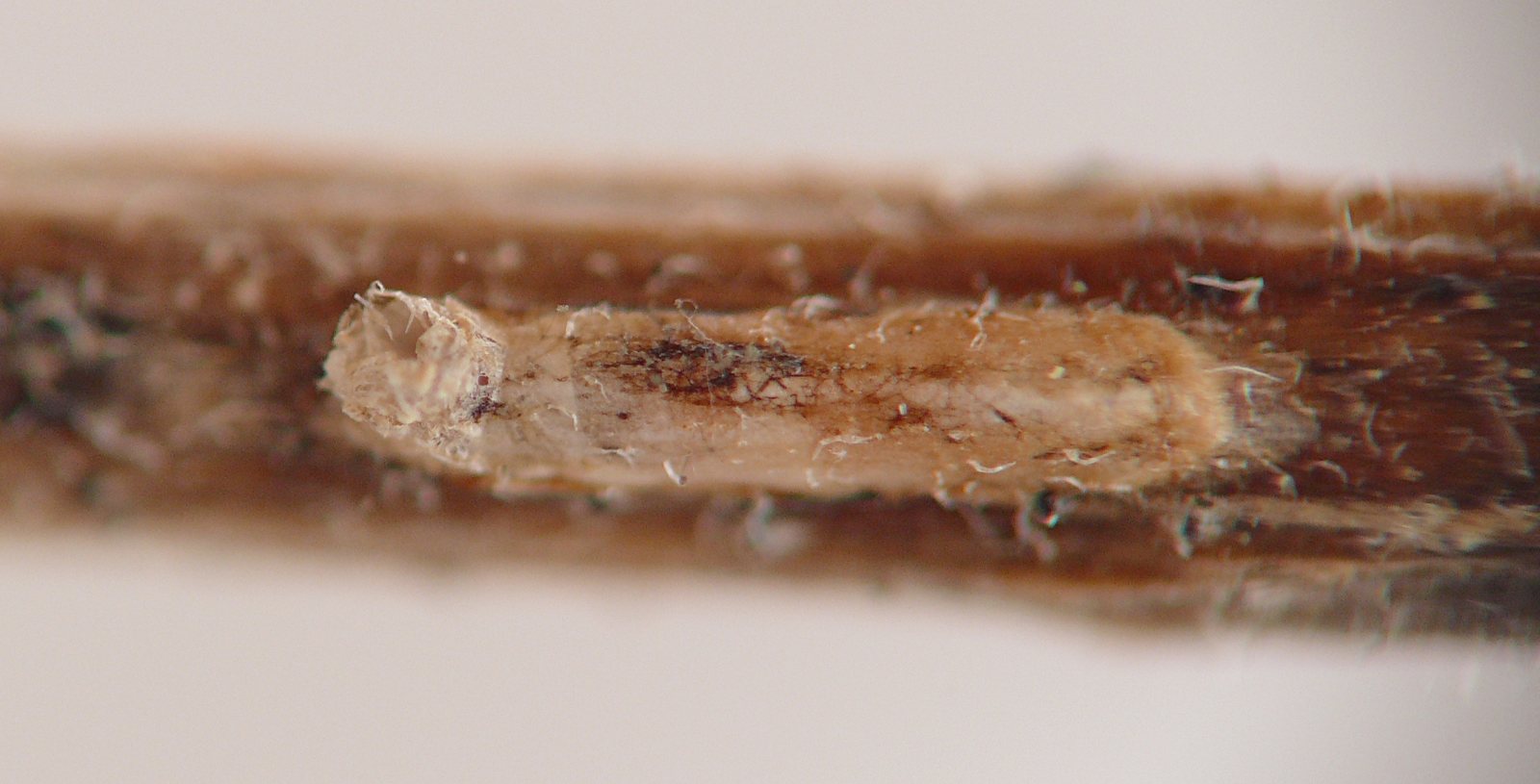
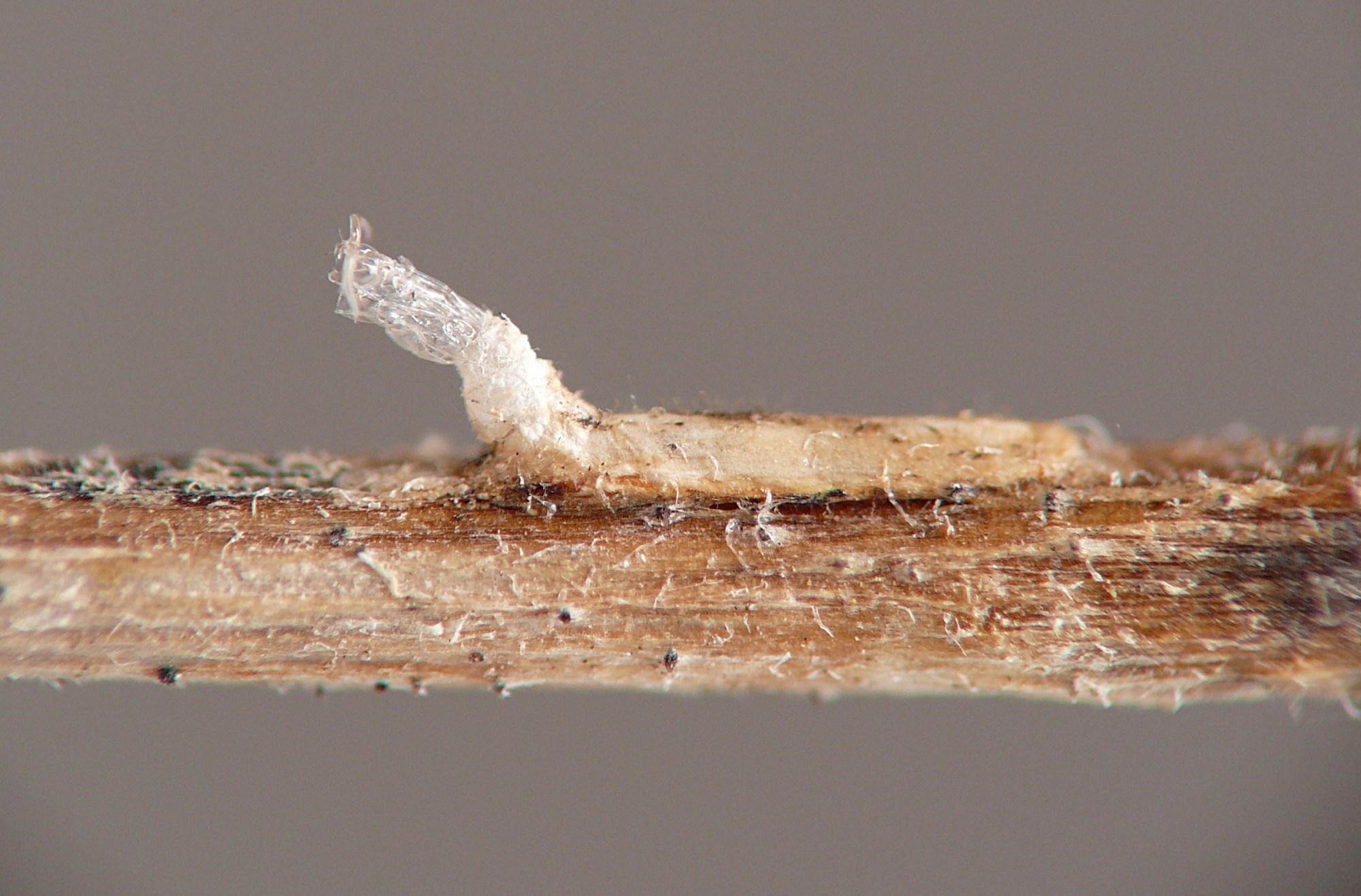
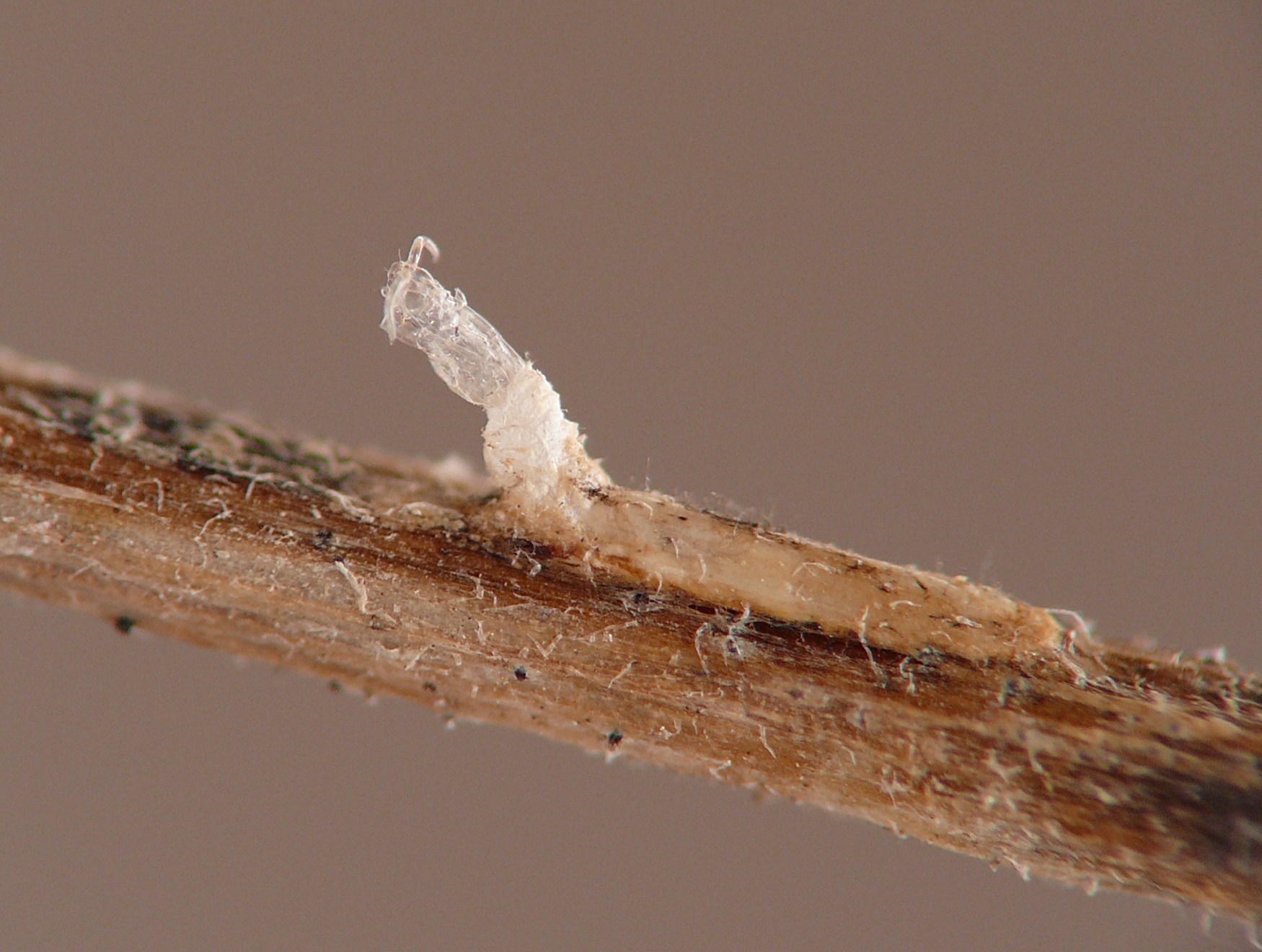
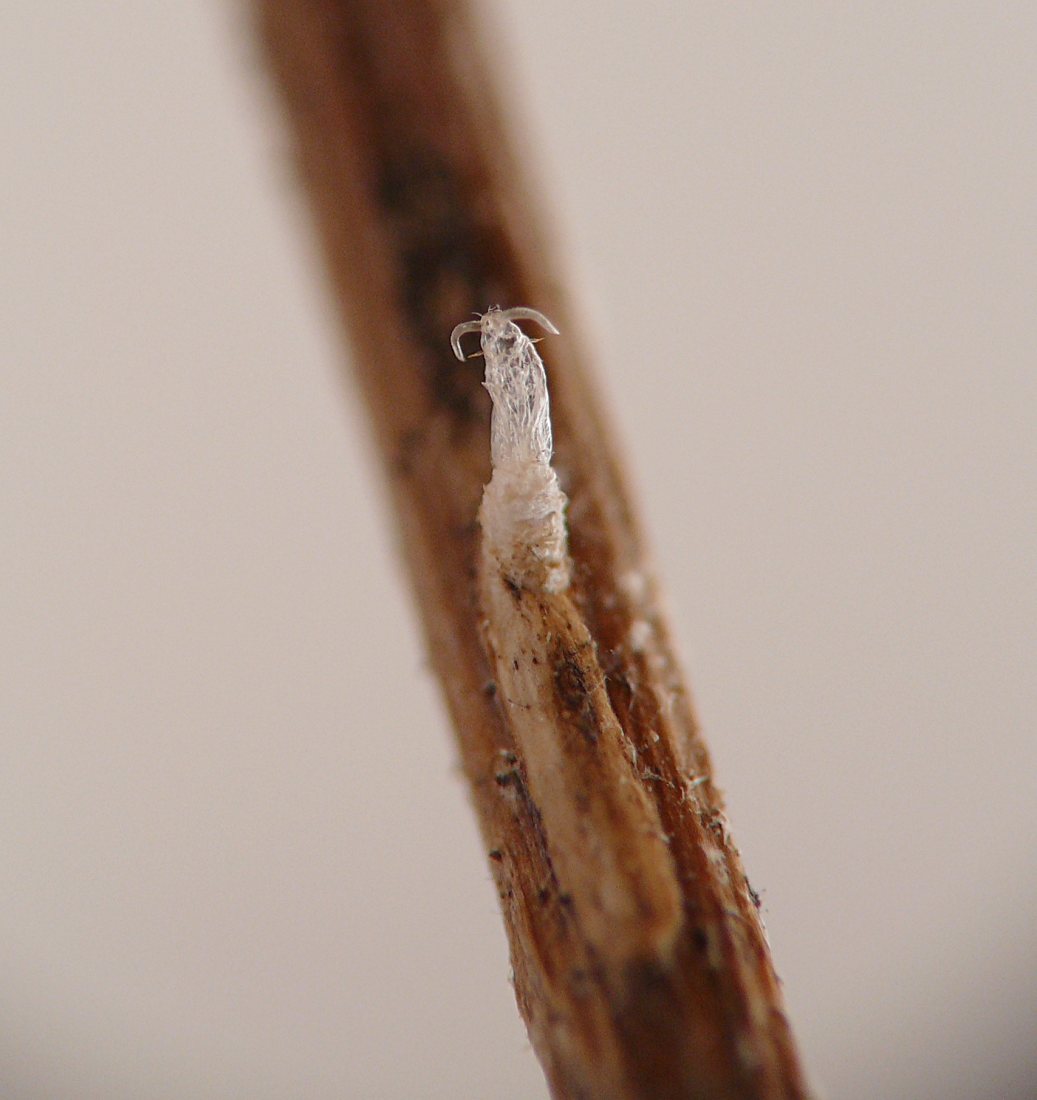
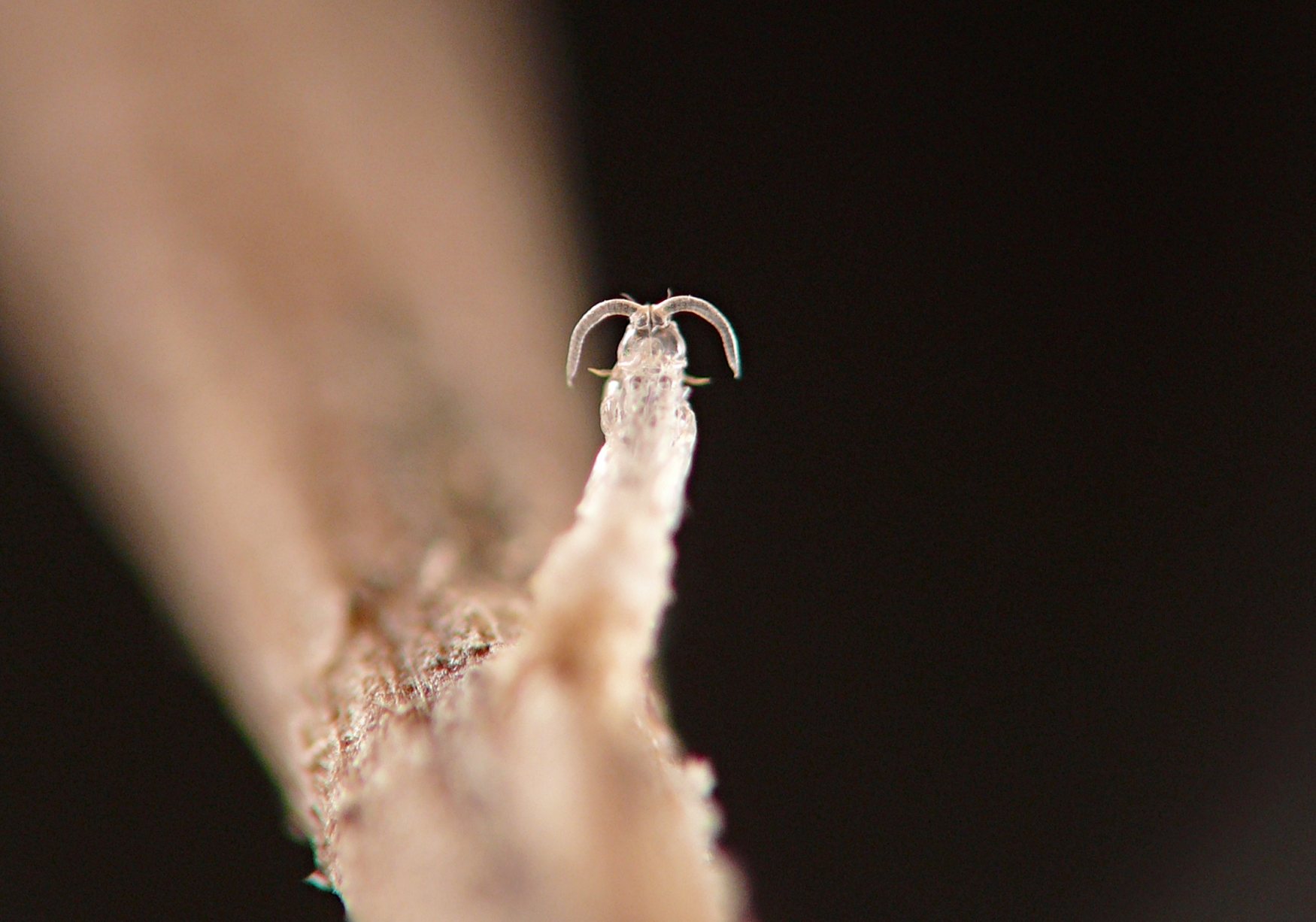
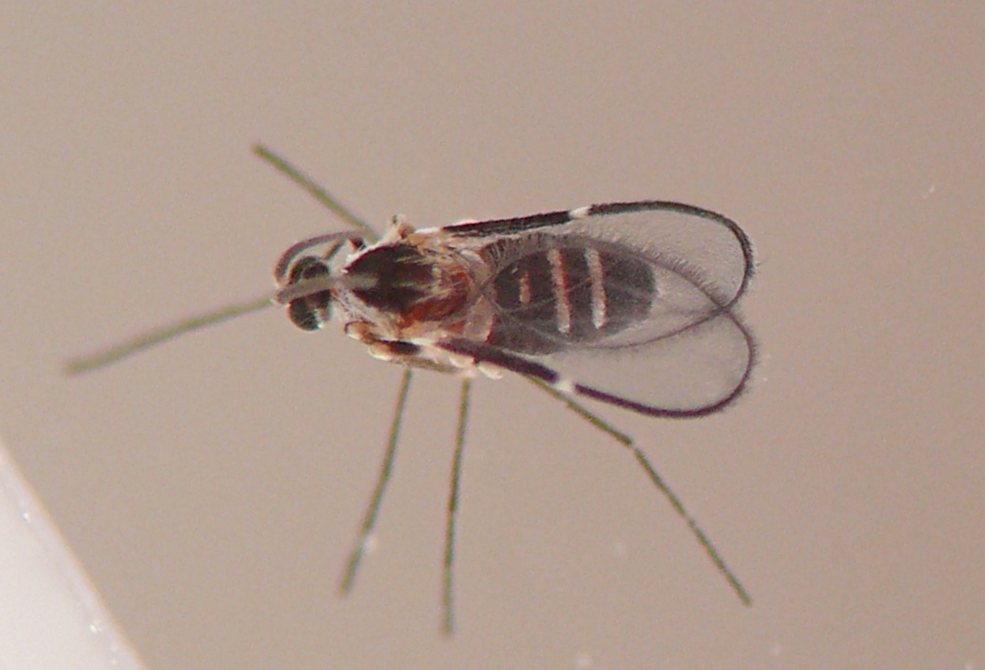
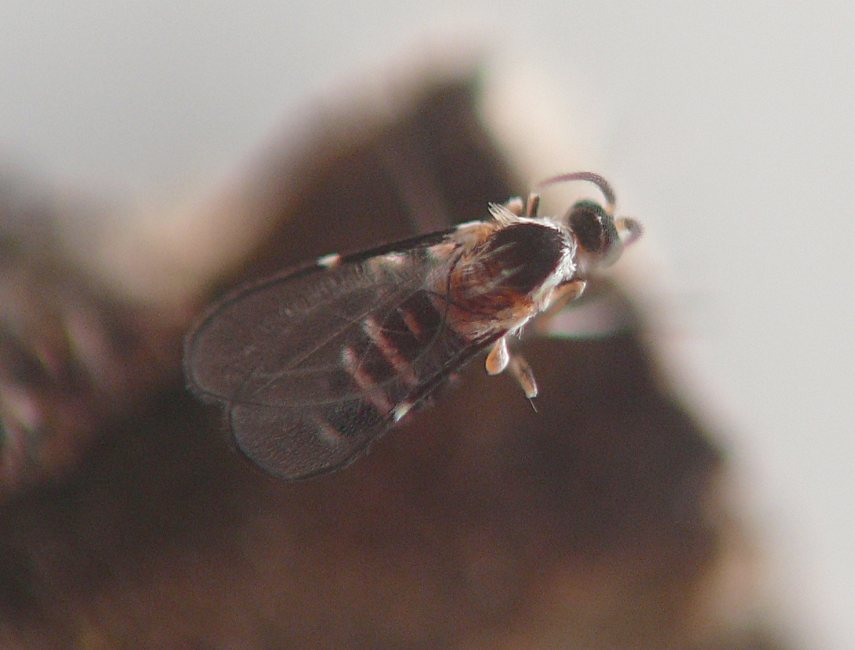
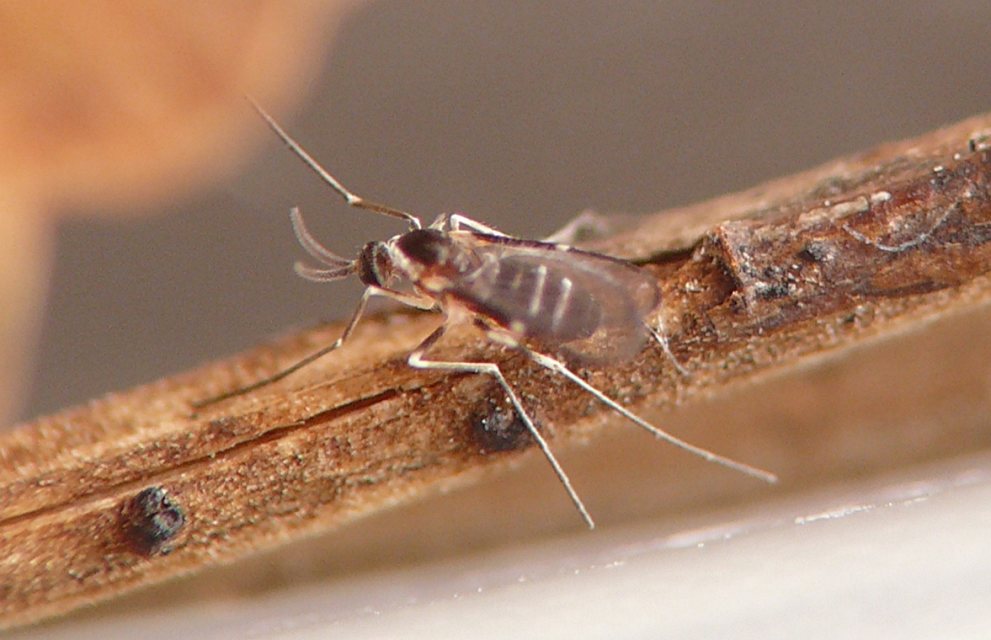
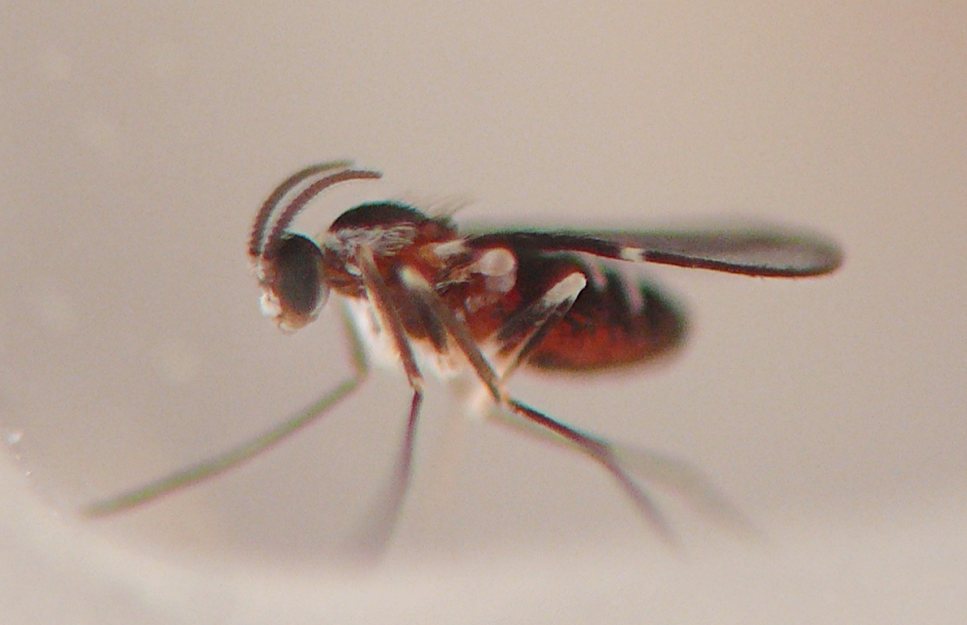
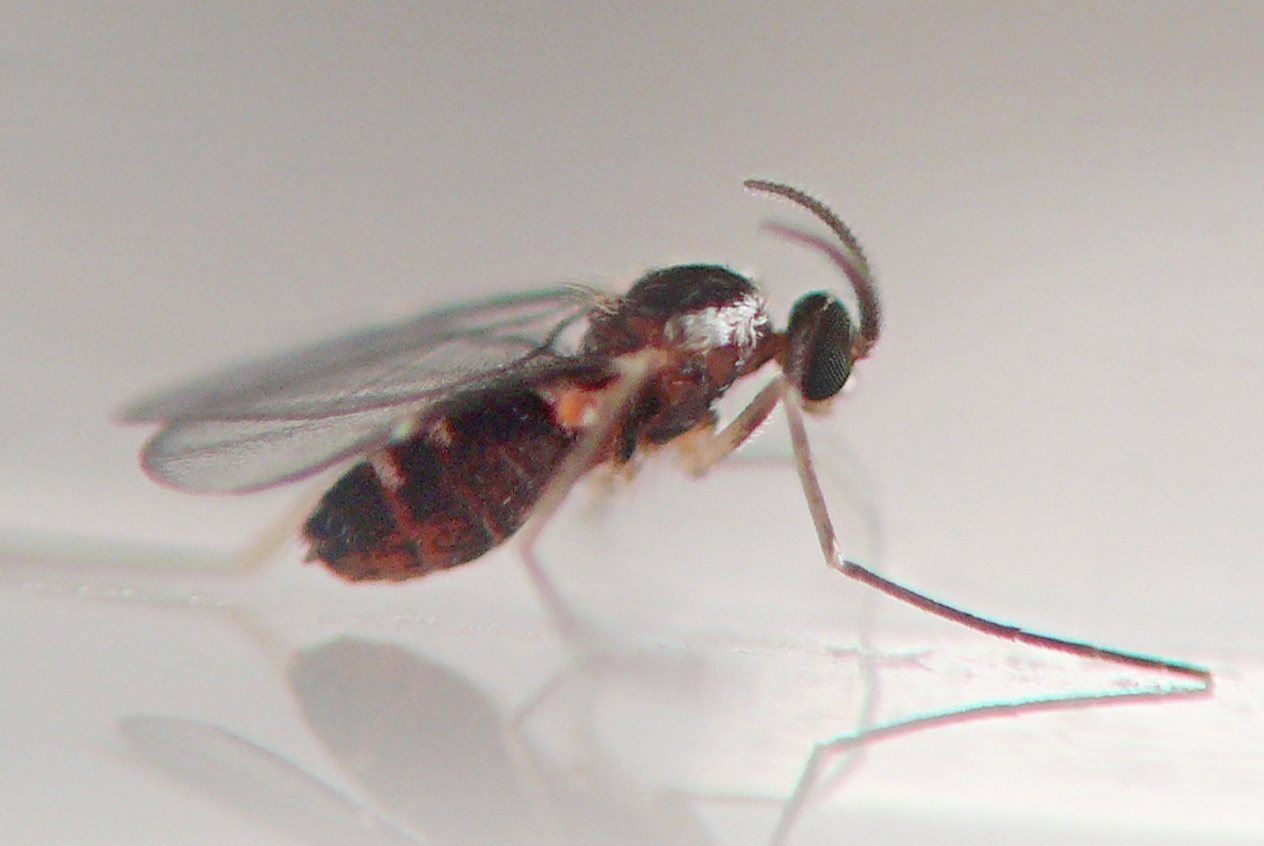
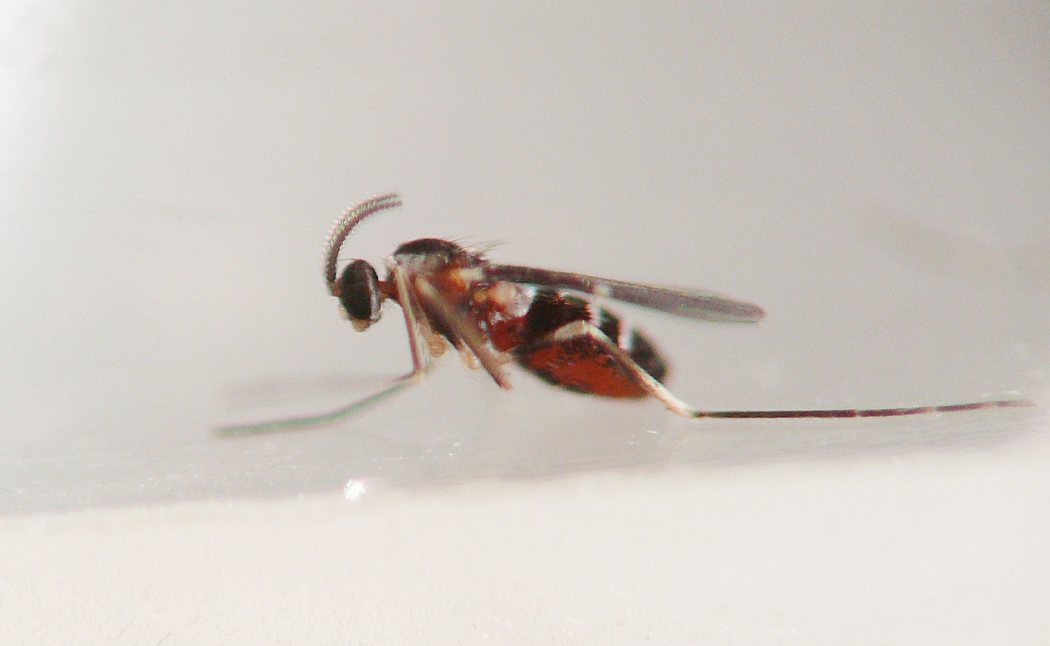
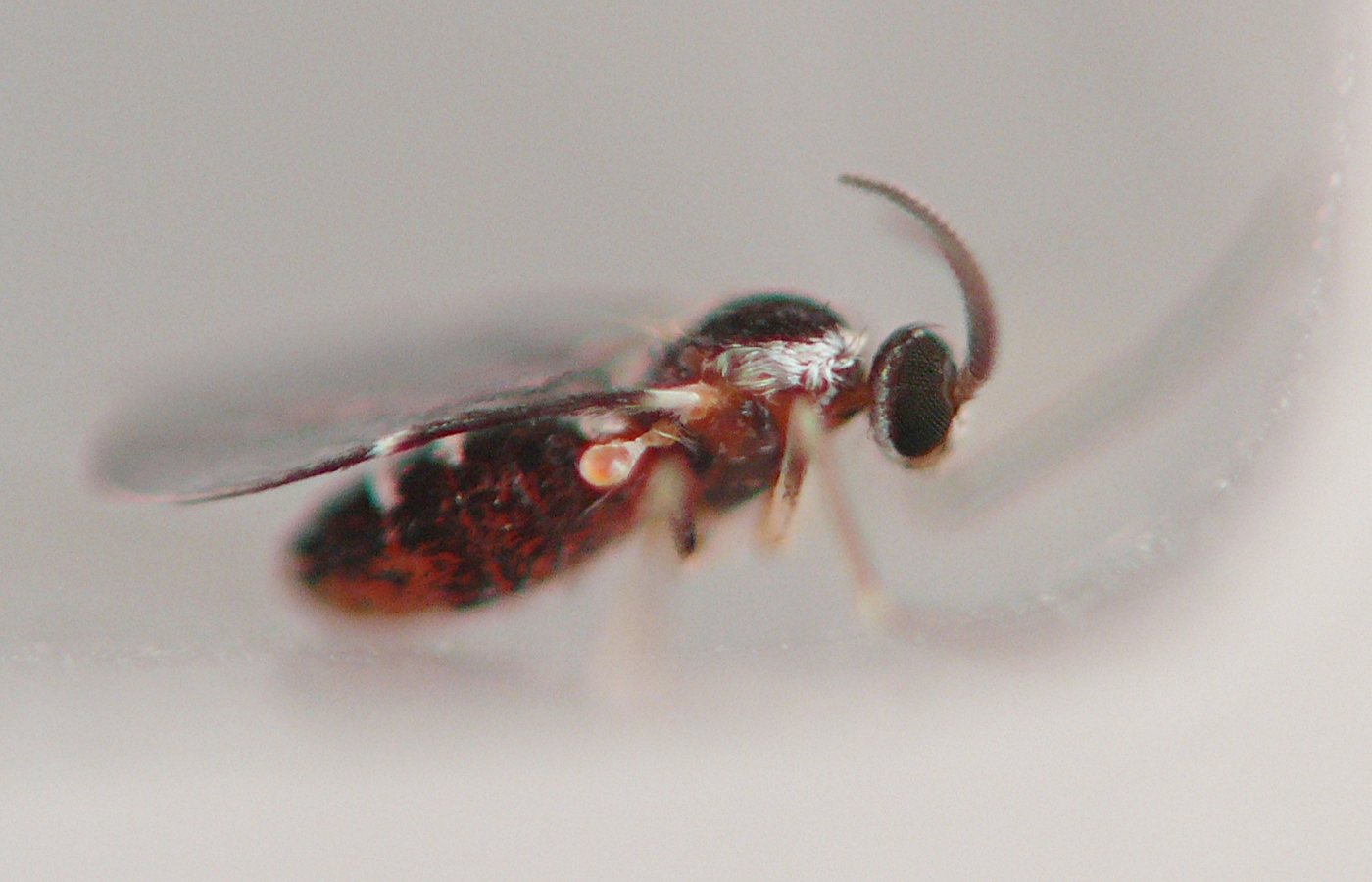
Coll. 09/29/21, field photos same day (01-04), additional photos on 09/30/21 (05-15); field photo on 09/29/24 (19); coll. 04/16/26, photos same day (16-18); coll. 04/21/26, photos same day (20-22), additional photos on 05/02/26 (23-26), adult em. 05/27/26 and photographed same day (27-37).
Page created: November 19, 2023. Last update: May 28, 2026