Predators
This page is no longer being updated. For the most up-to-date version, please visit Predators (survey/pages/predators.html).
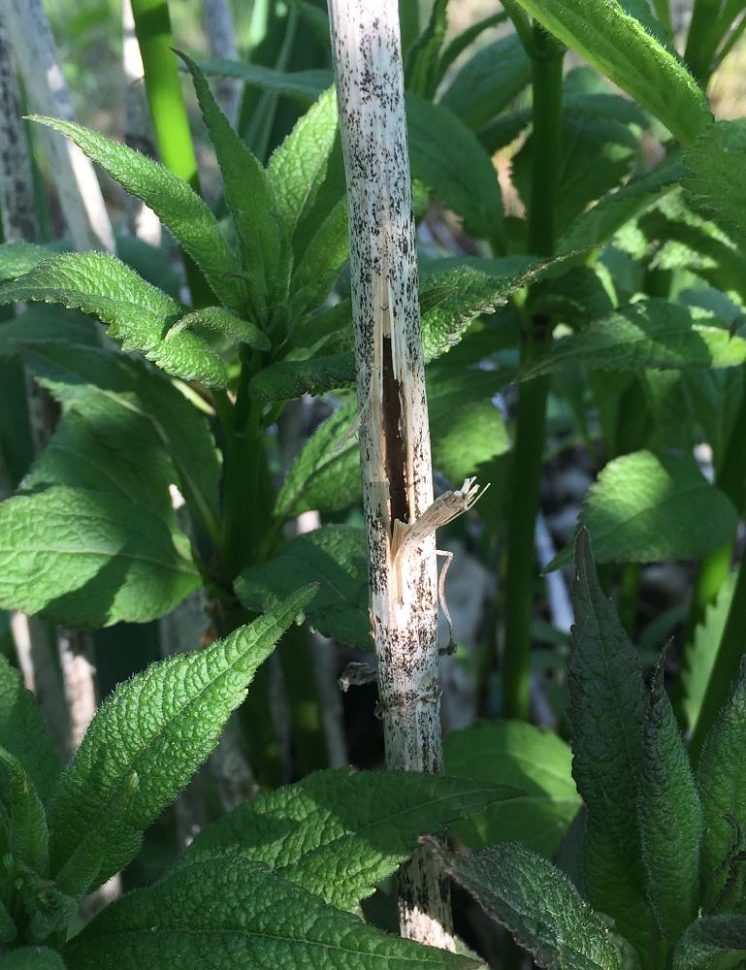
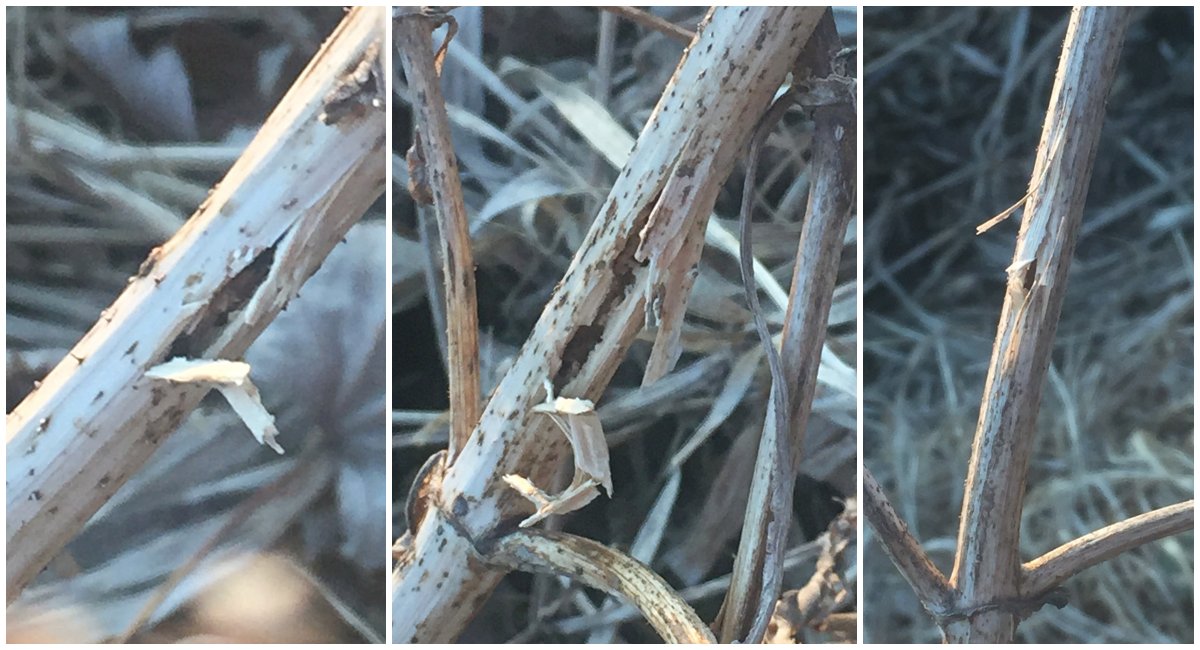
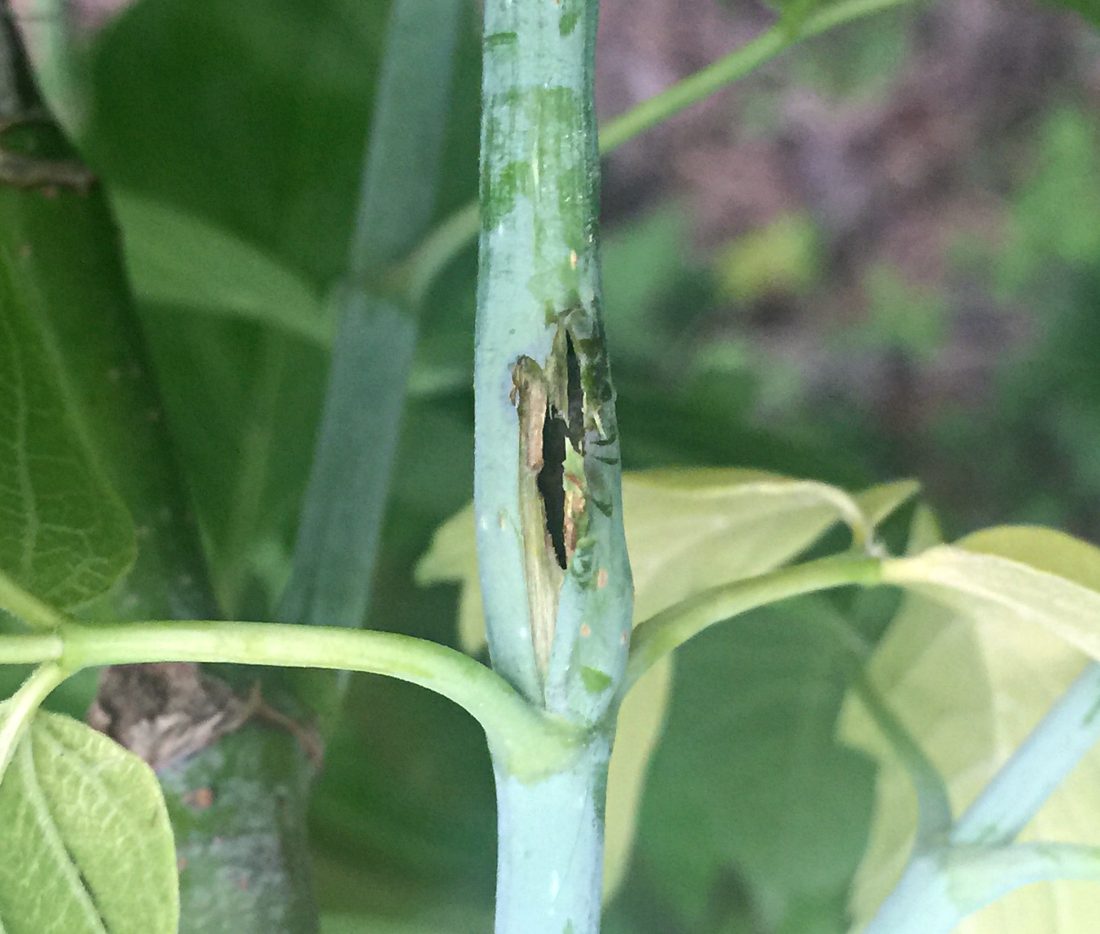
This page collects some of my images of damage to plant stems and stemlike structures wrought by predators searching for endophagous insects. Click the image thumbnail for a larger version.
Birds hunting Pristerognatha agilana in Impatiens (0287)
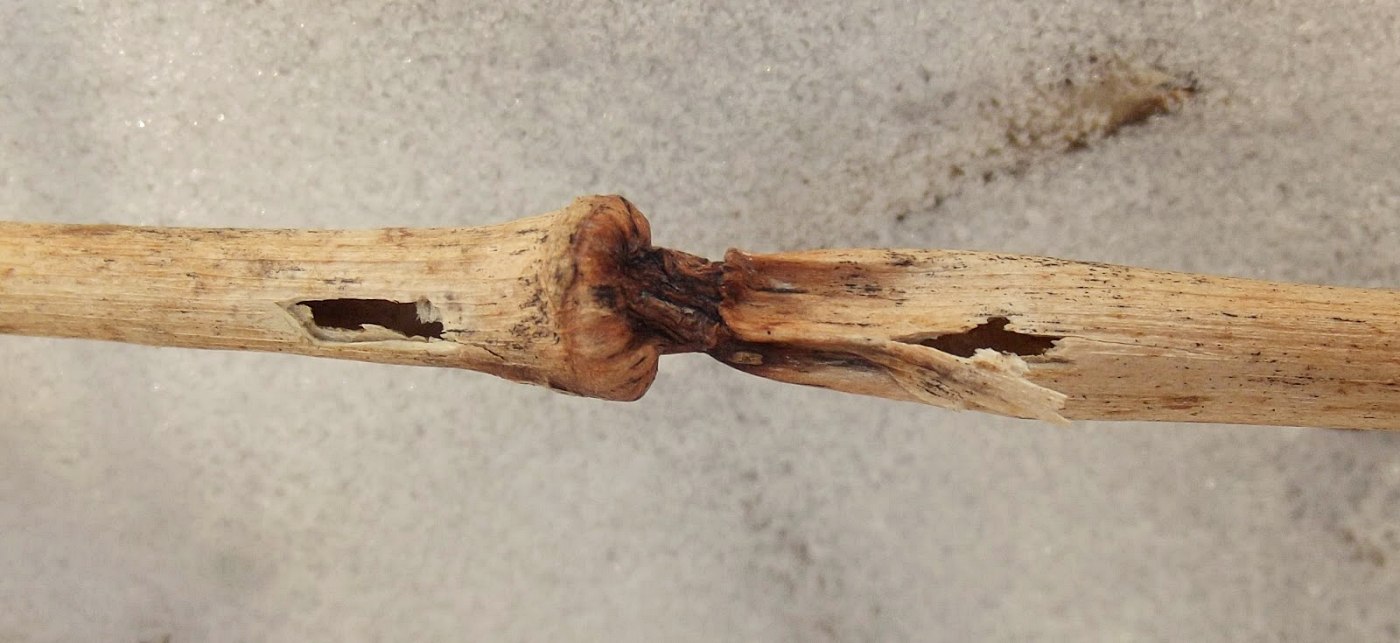
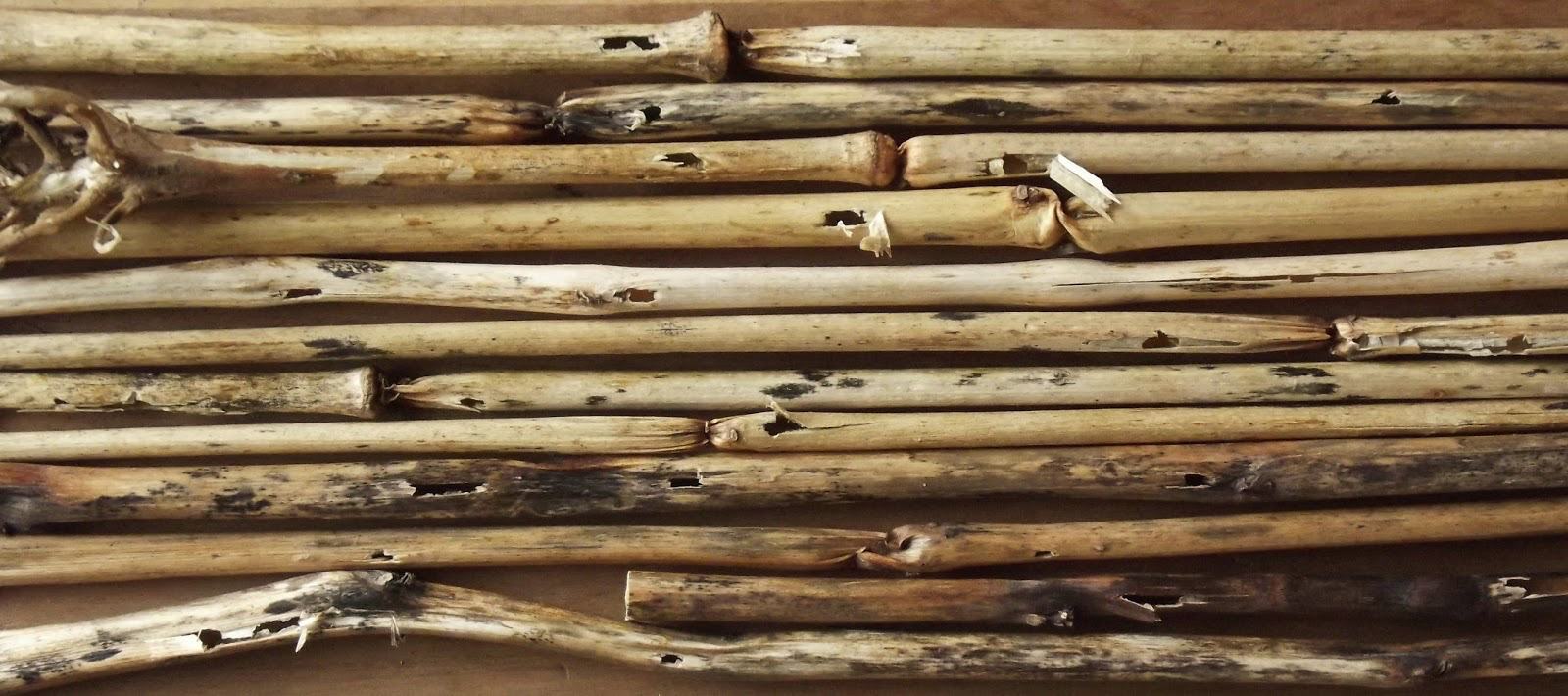
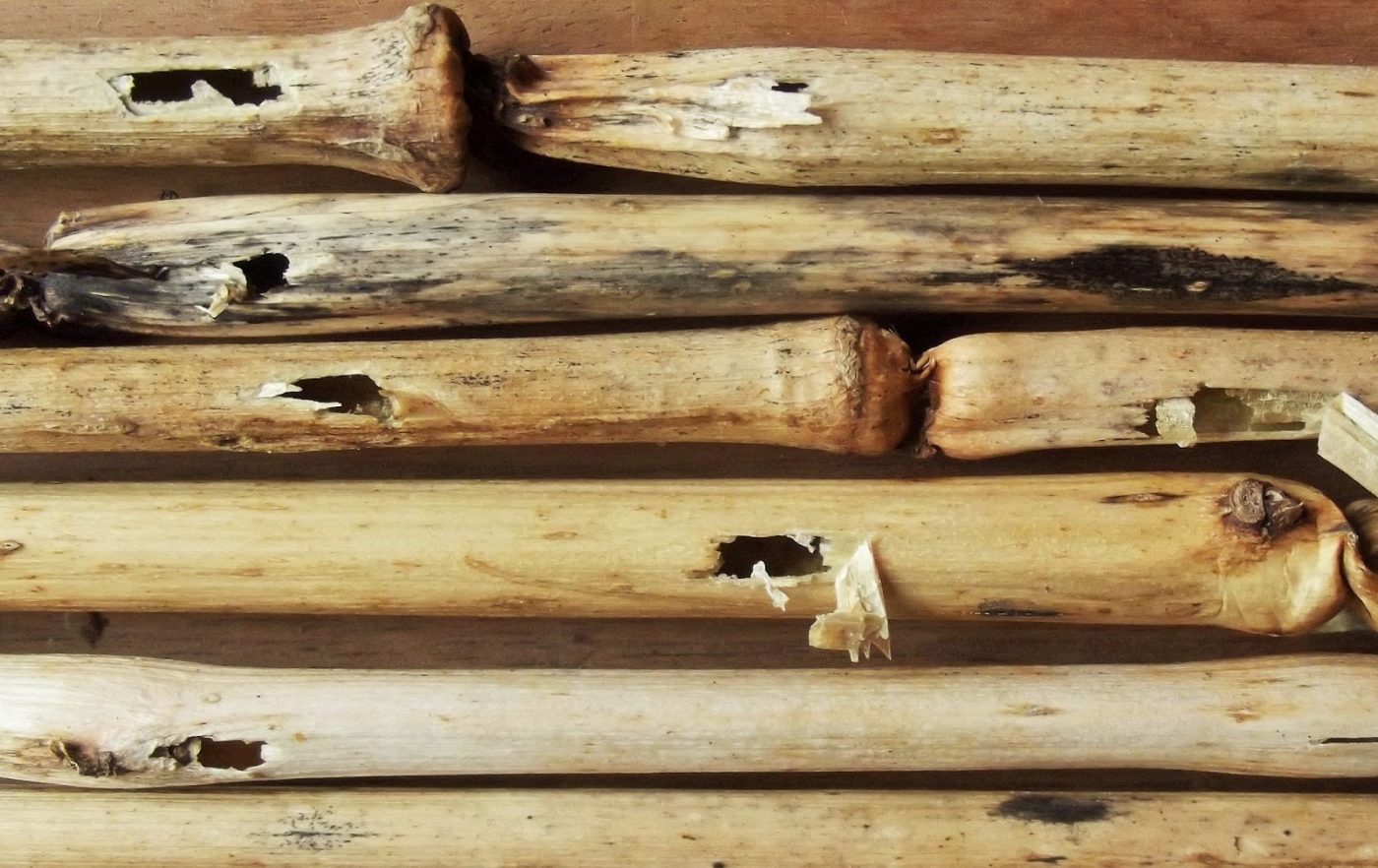
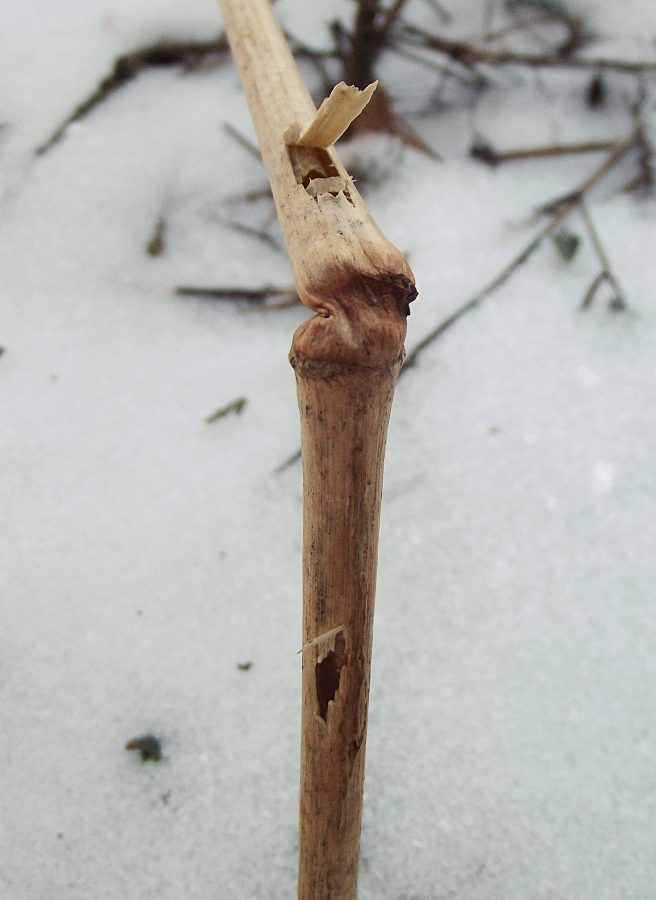
Birds hunting Endothenia cf. hebesana in Scrophularia (0499)
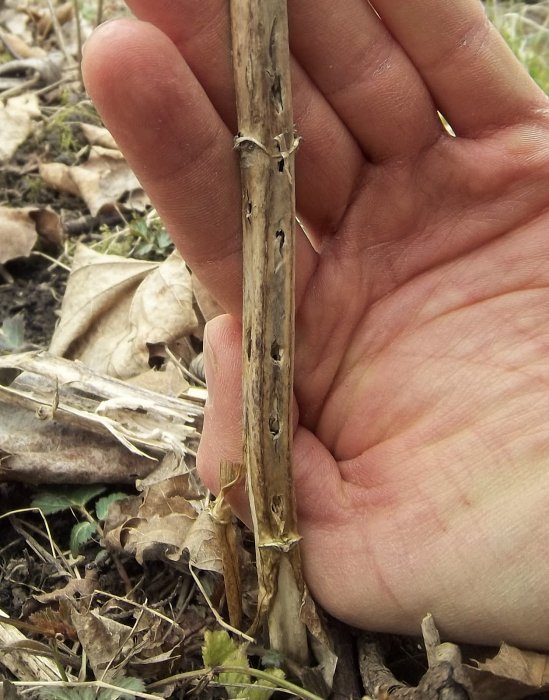
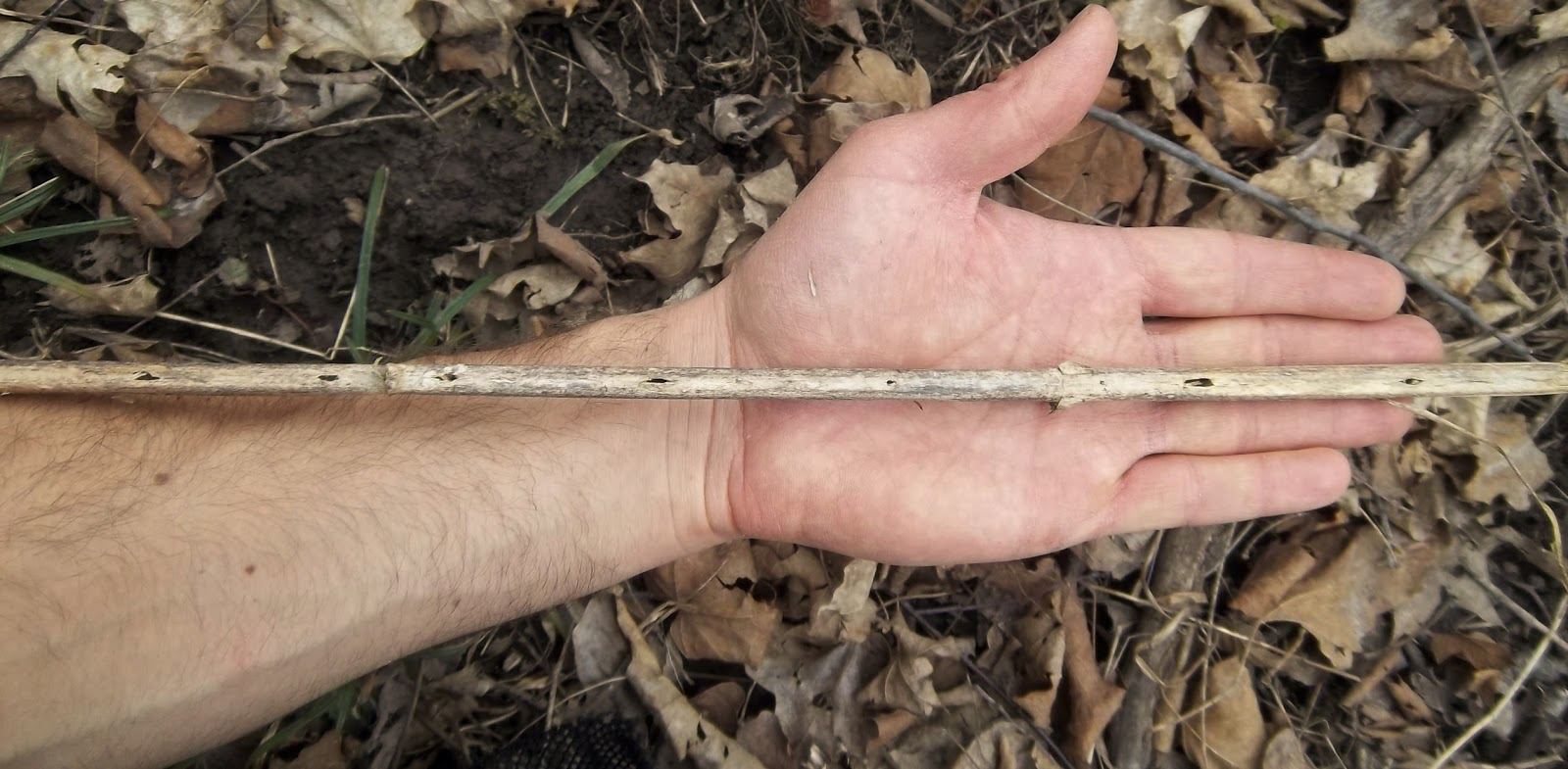

Vertebrates hunting Depressaria radiella in Heracleum (0275)
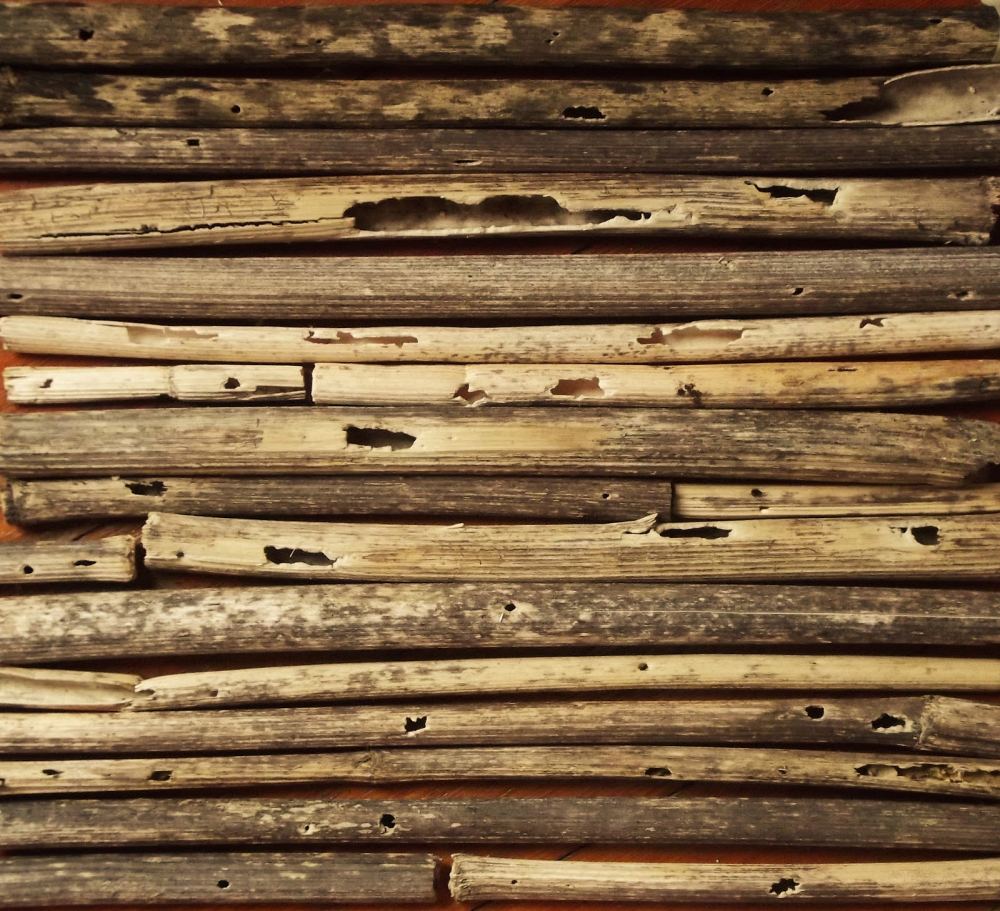
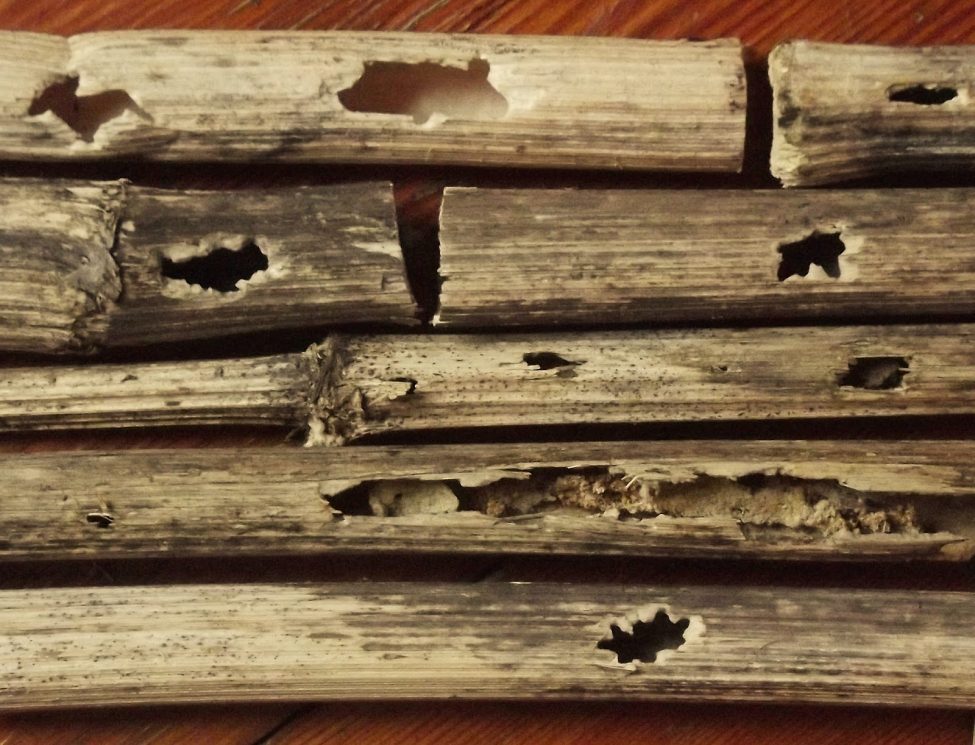
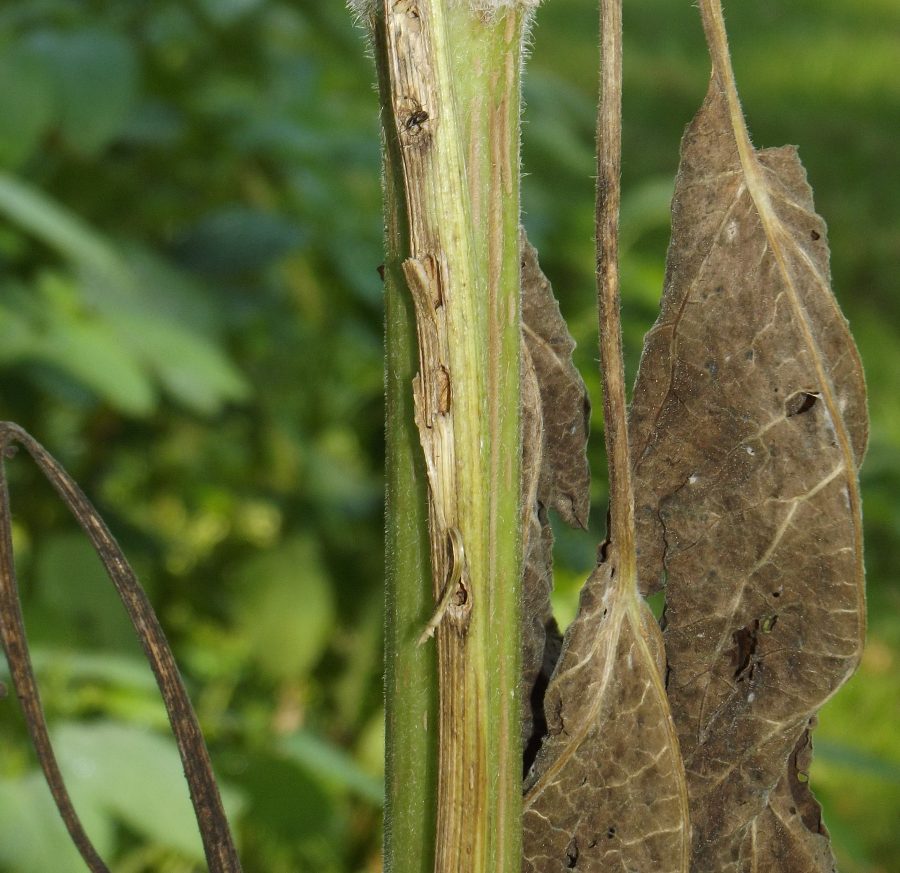
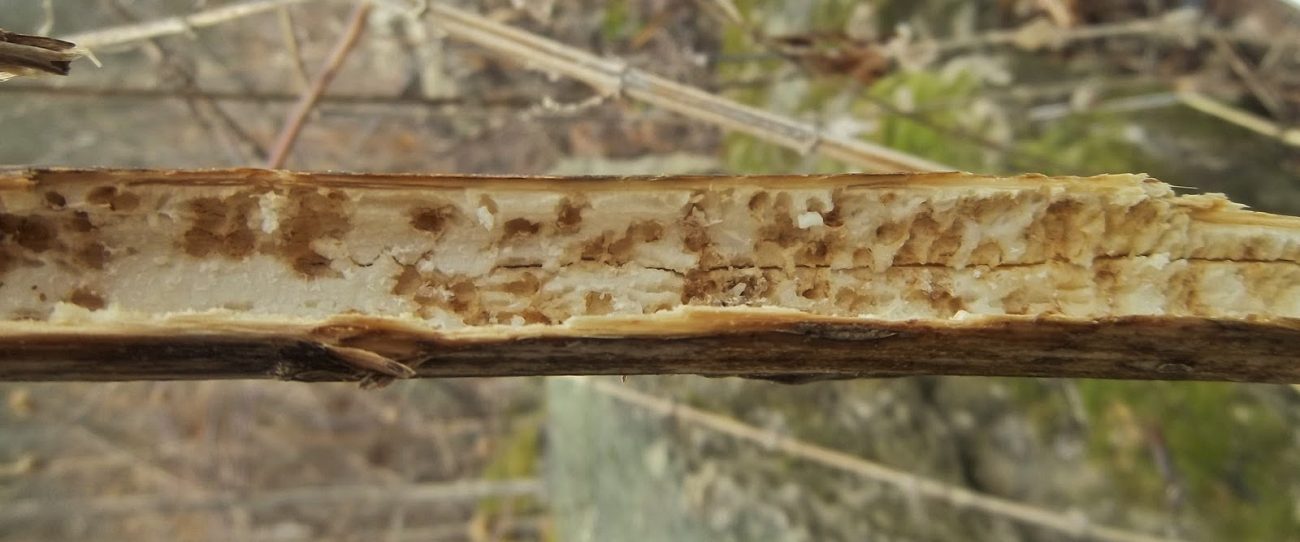
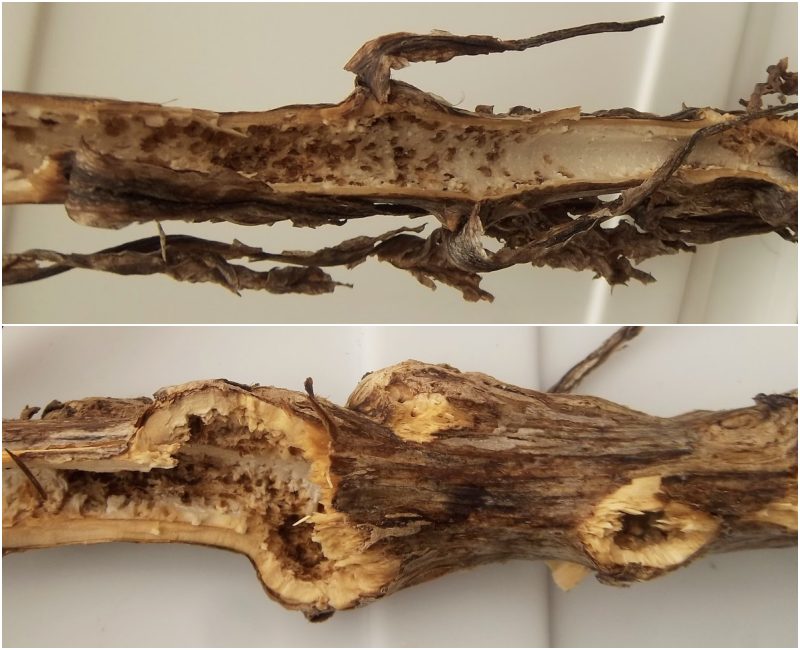
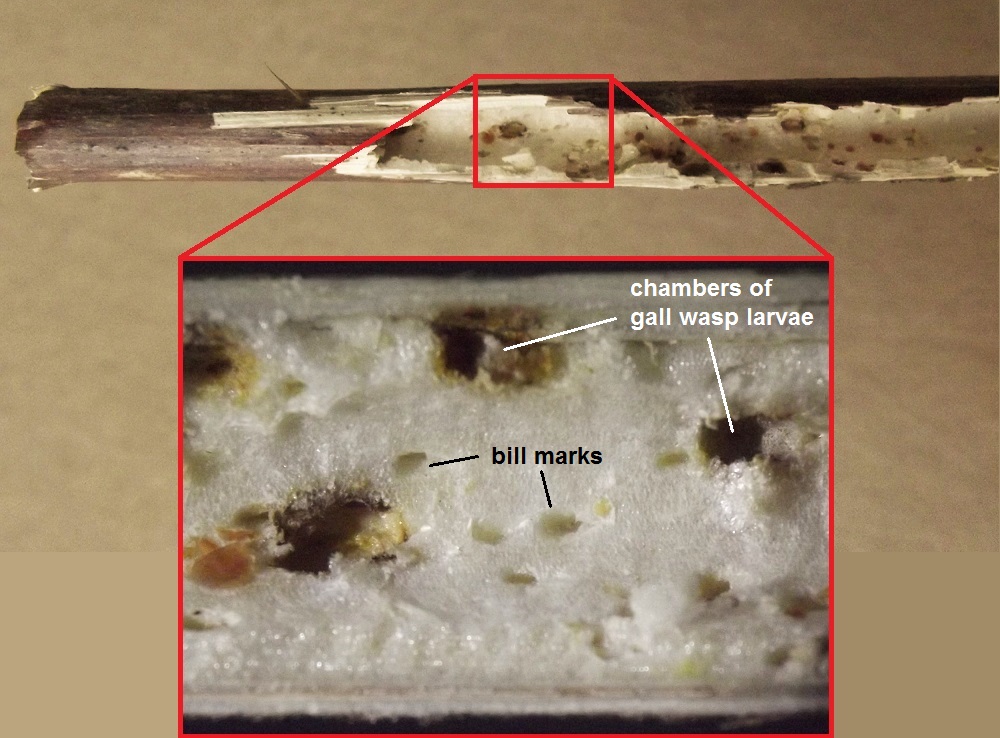
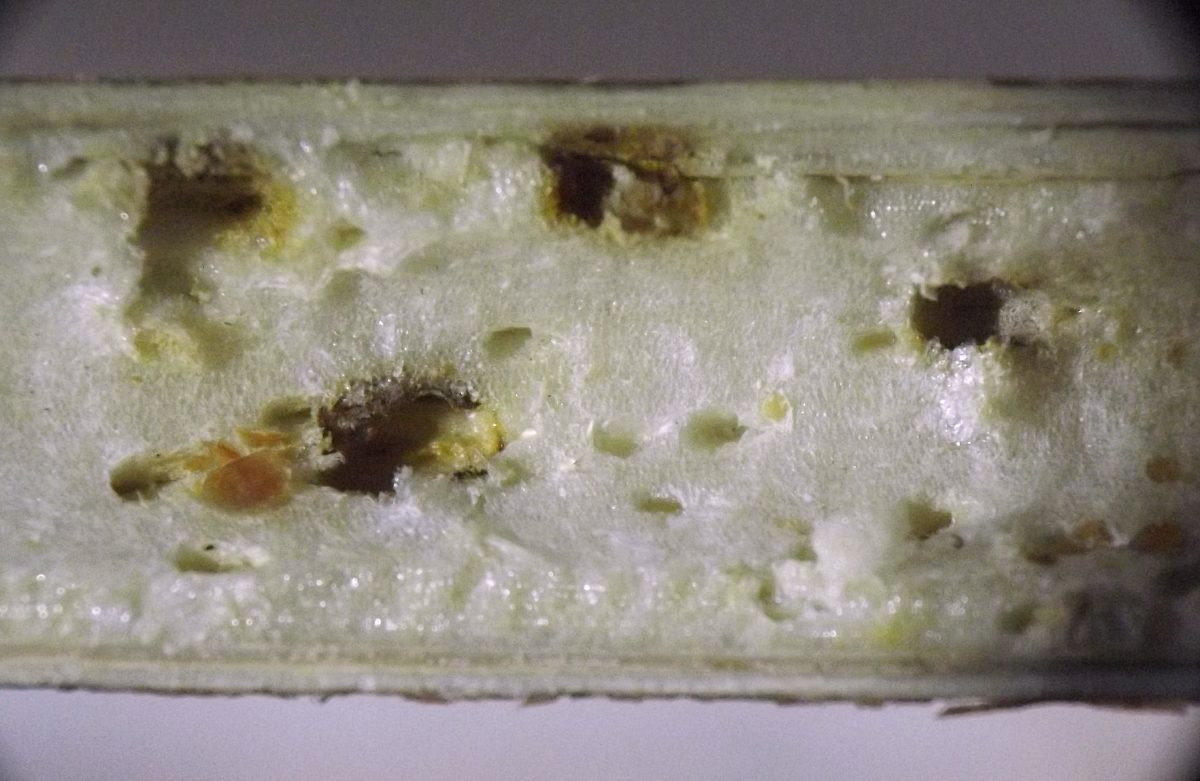
Birds (and small mammals?) hunting Aulacidea gall wasps in Lactuca (0292)
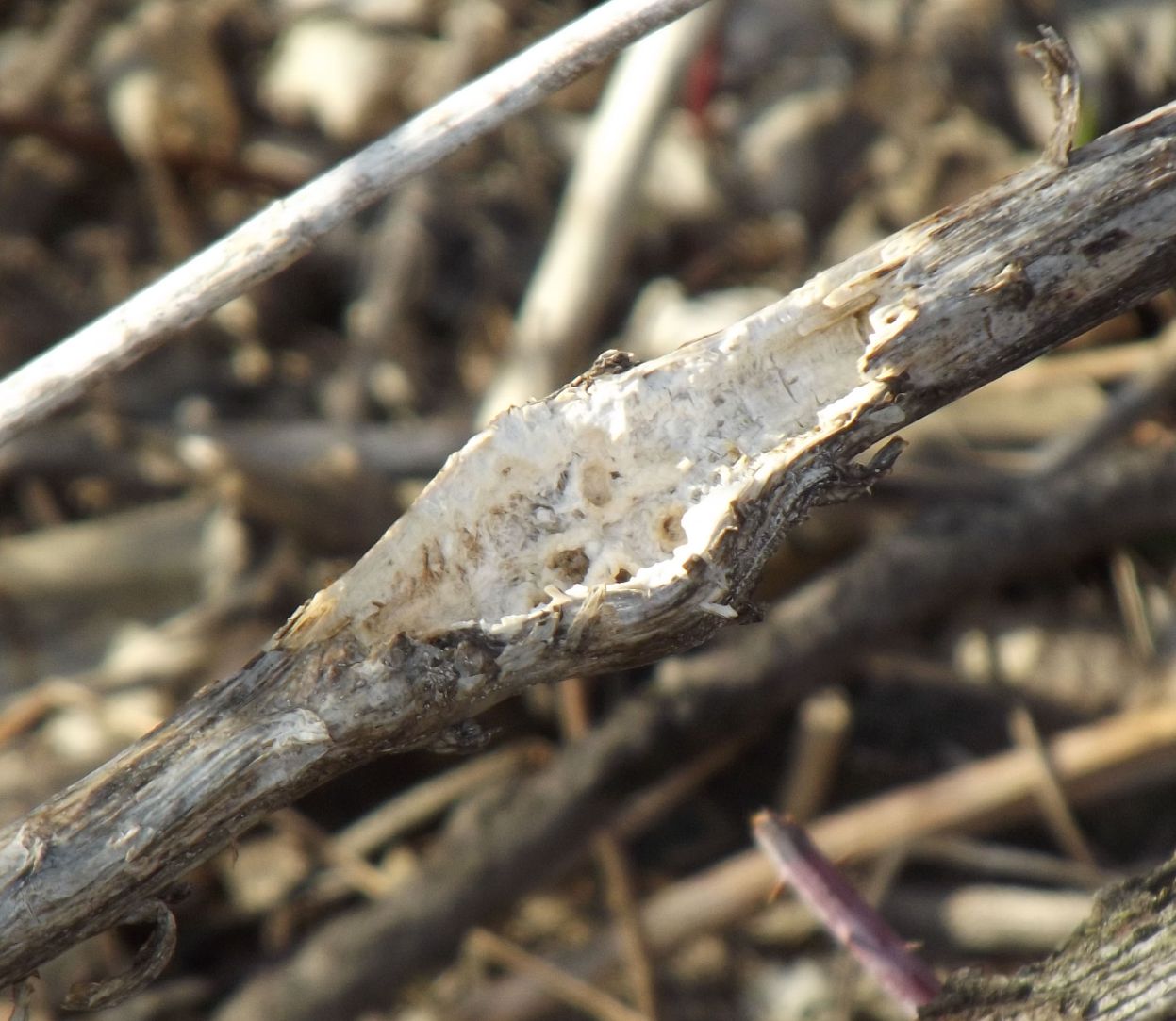
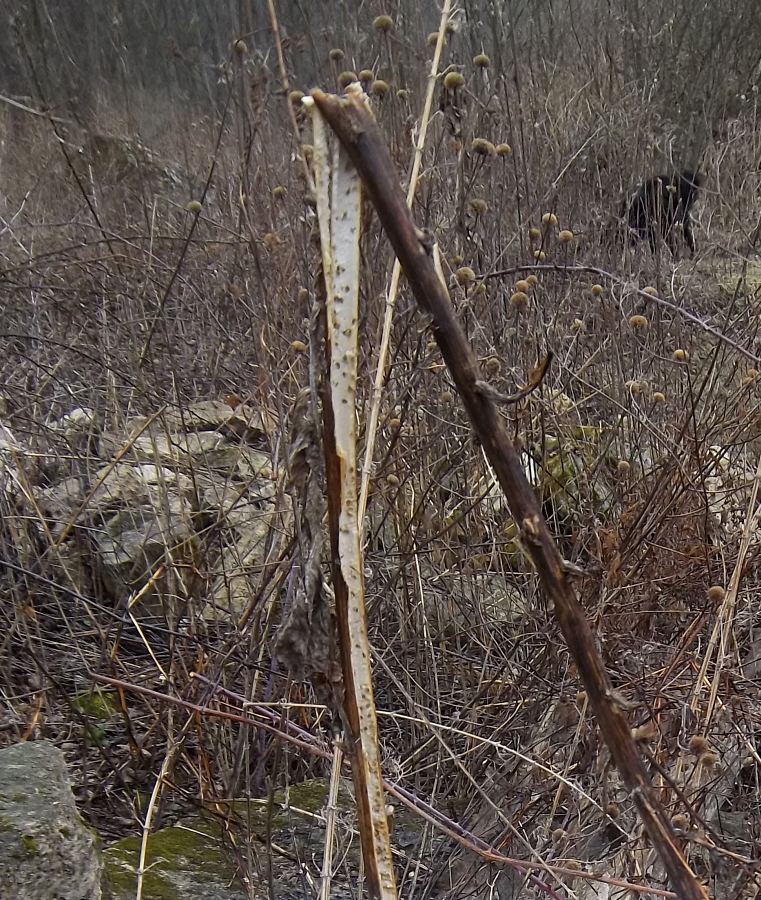
Vertebrates hunting Eurosta solidaginis in Solidago (0514).
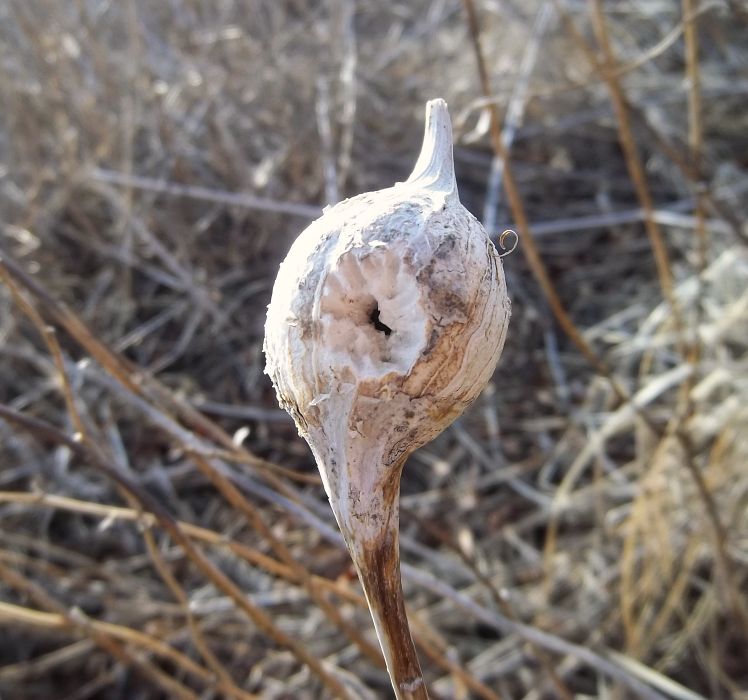
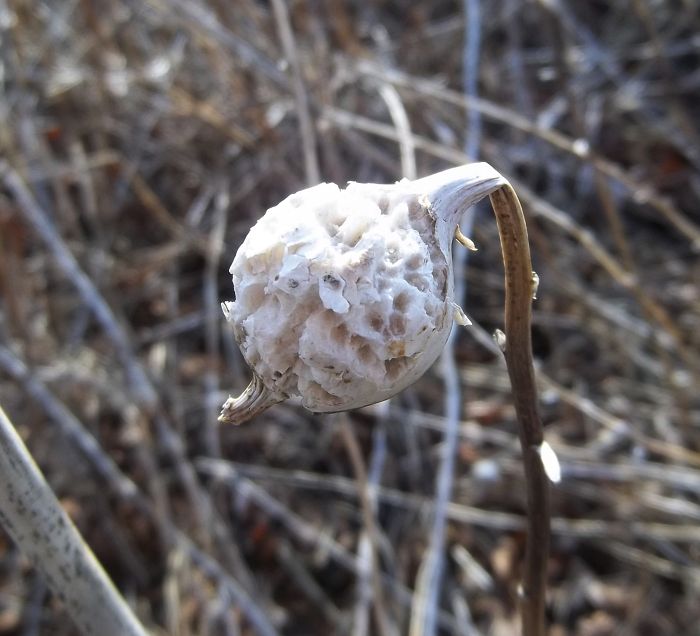
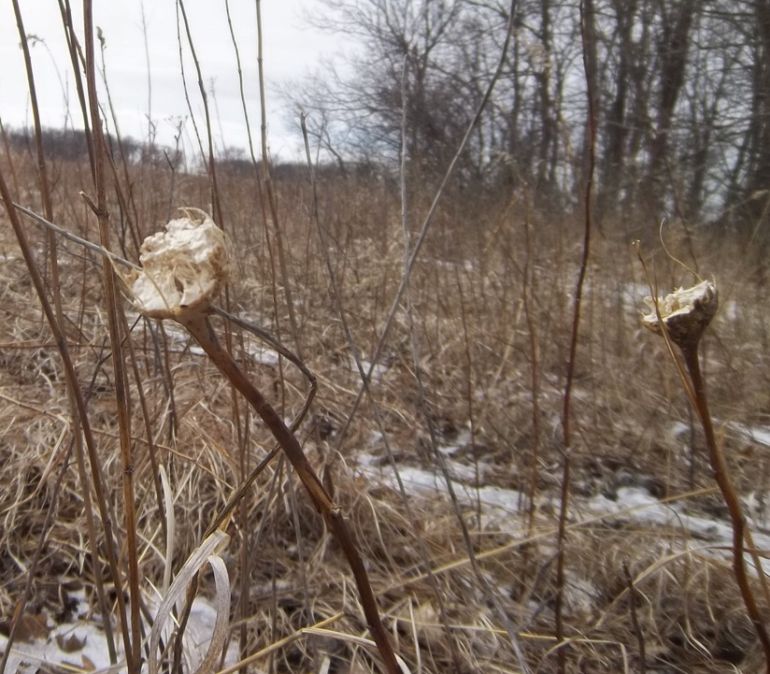
Most of the time, when I see Eurosta solidaginis galls that have been raided by a vertebrate, the culprit was a downy woodpecker or black-capped chickadee (e.g., image 7-02). However, in March and April 2013, I came across a population of galls in an old field in southwestern Minnesota that appeared to have been chewed or broken open by a mammal (images 7-04 through 7-12). I have never witnessed this again. For another interesting kind of damage to a Eurosta solidaginis gall, see image 4-04 (Miscellaneous damage to galls and other homes of local feeders, below).
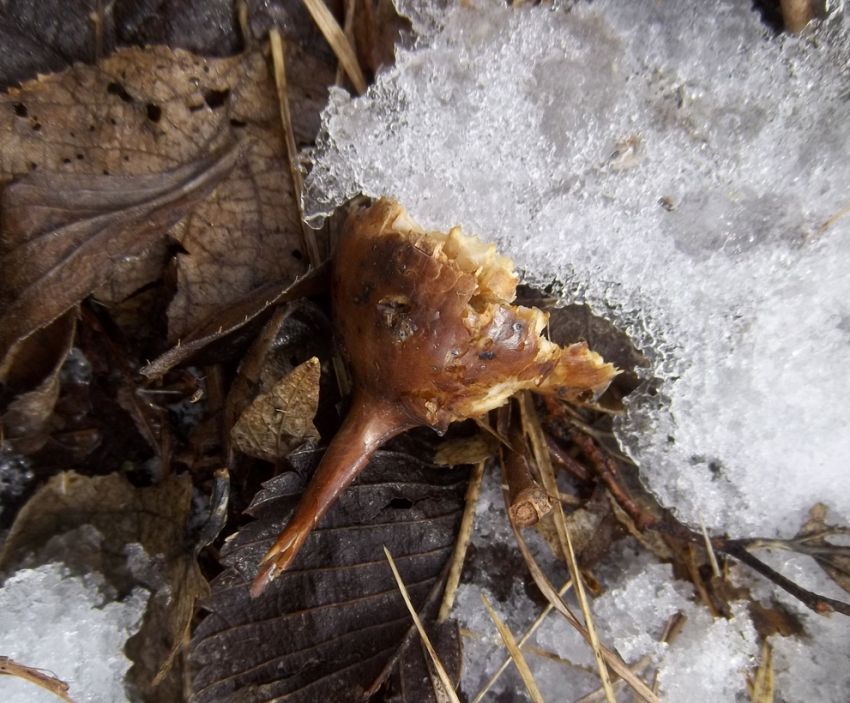
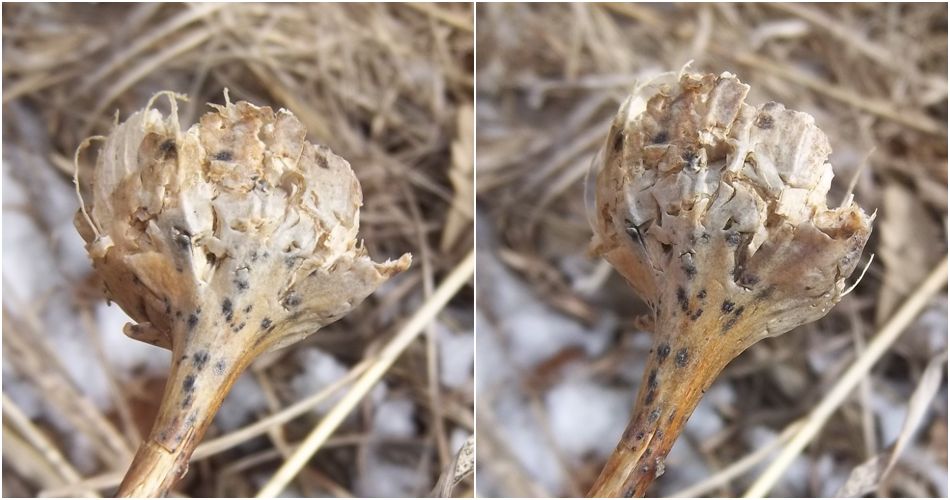
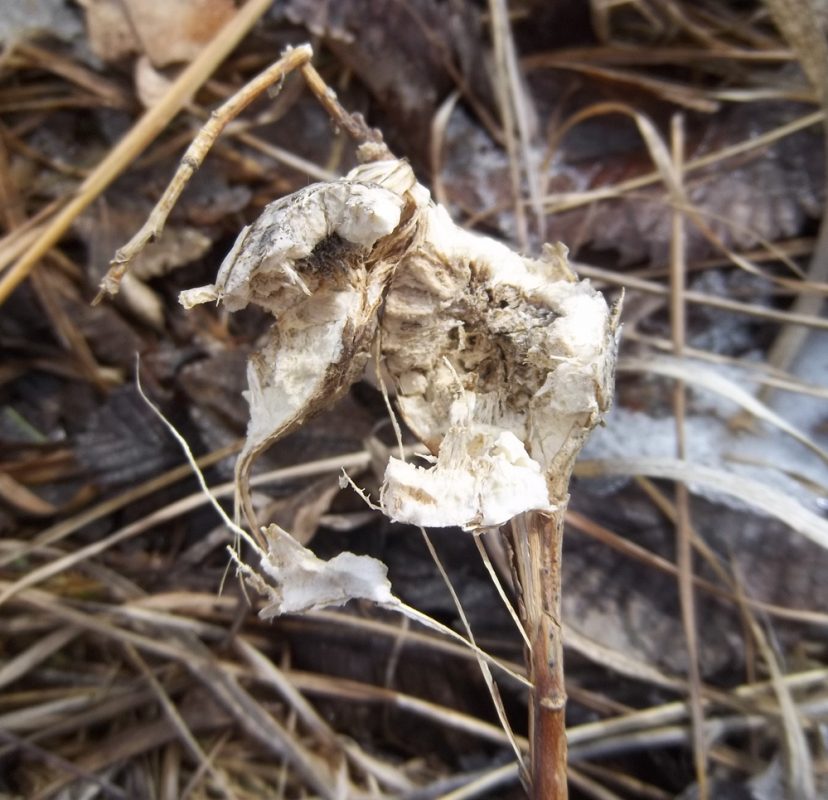
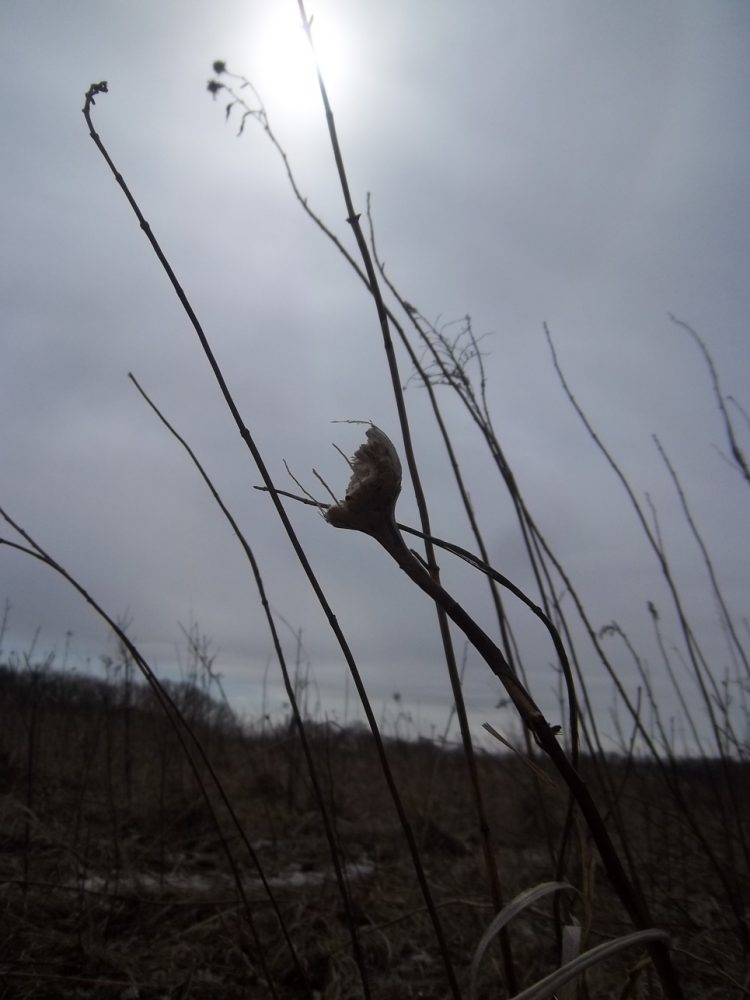
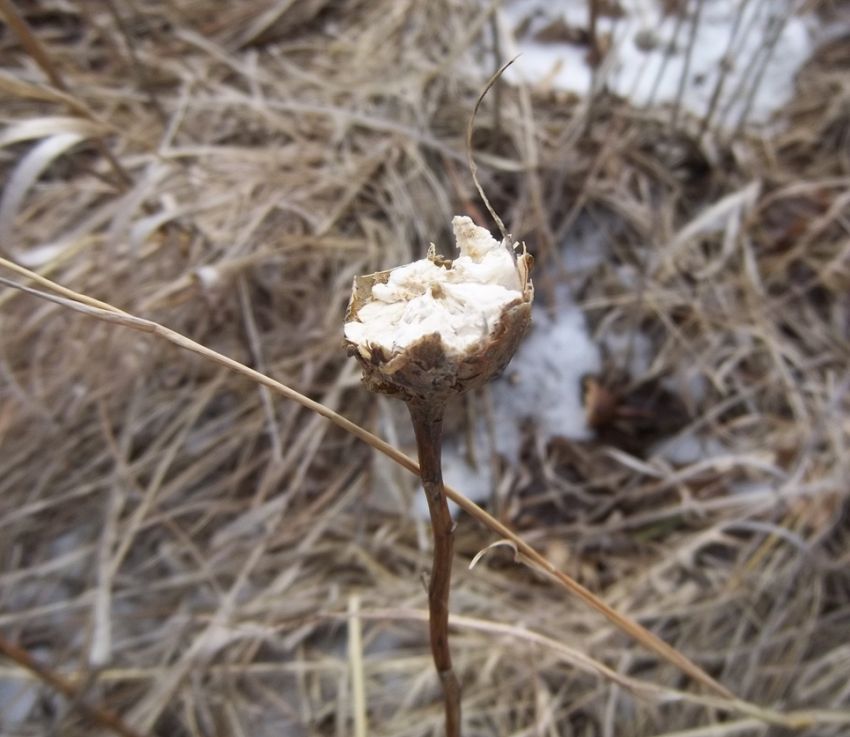
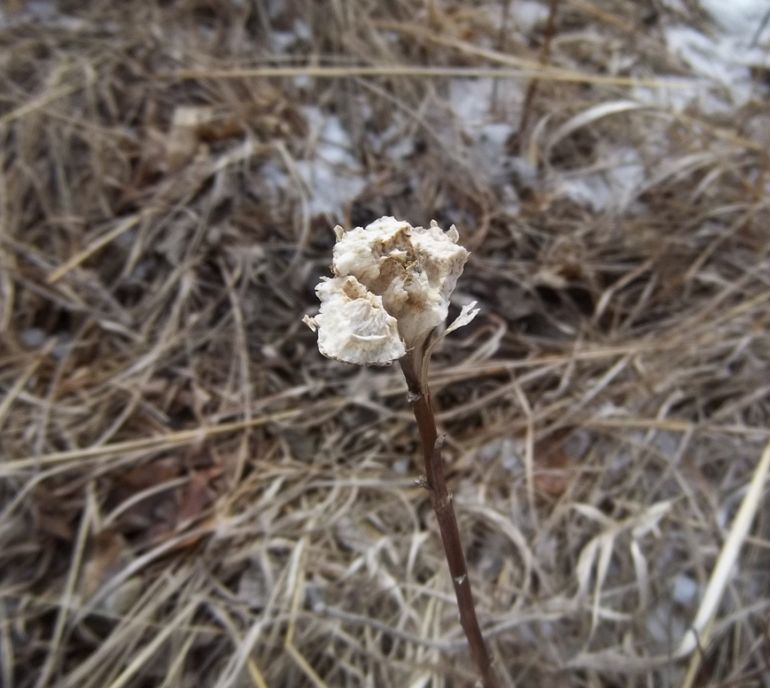
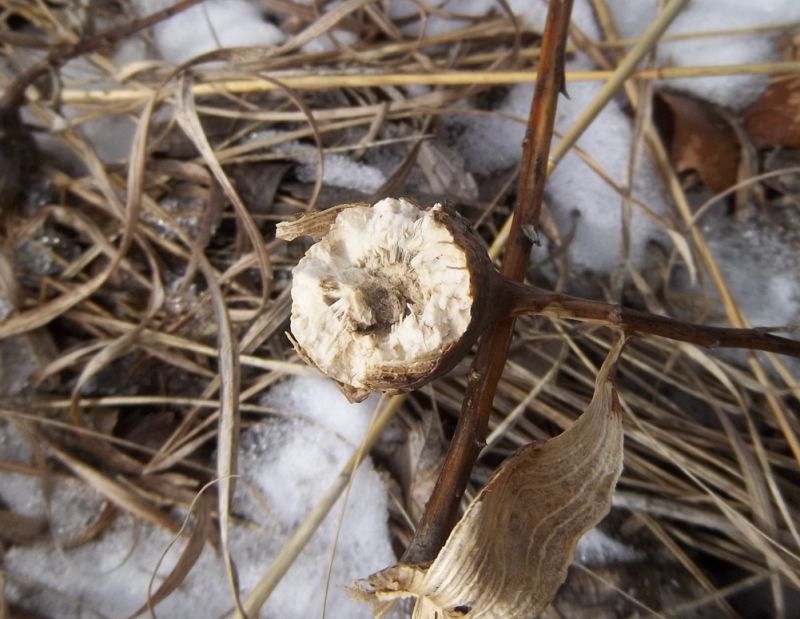
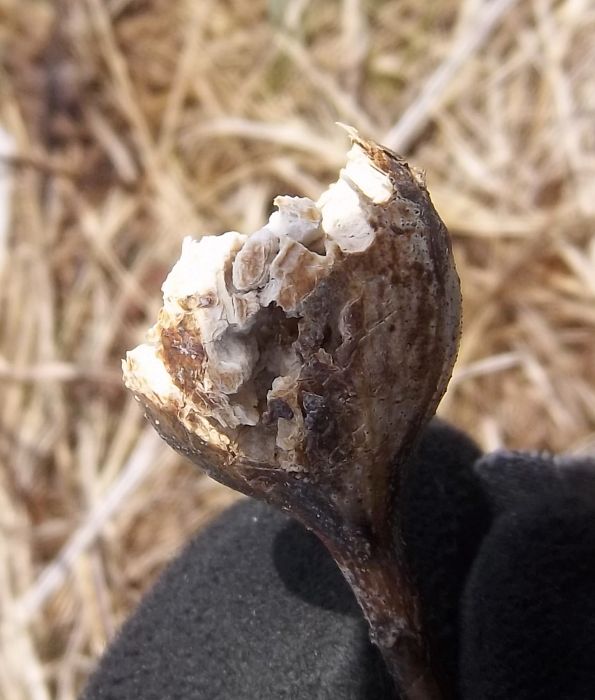
Miscellaneous damage to galls and other homes of local feeders.
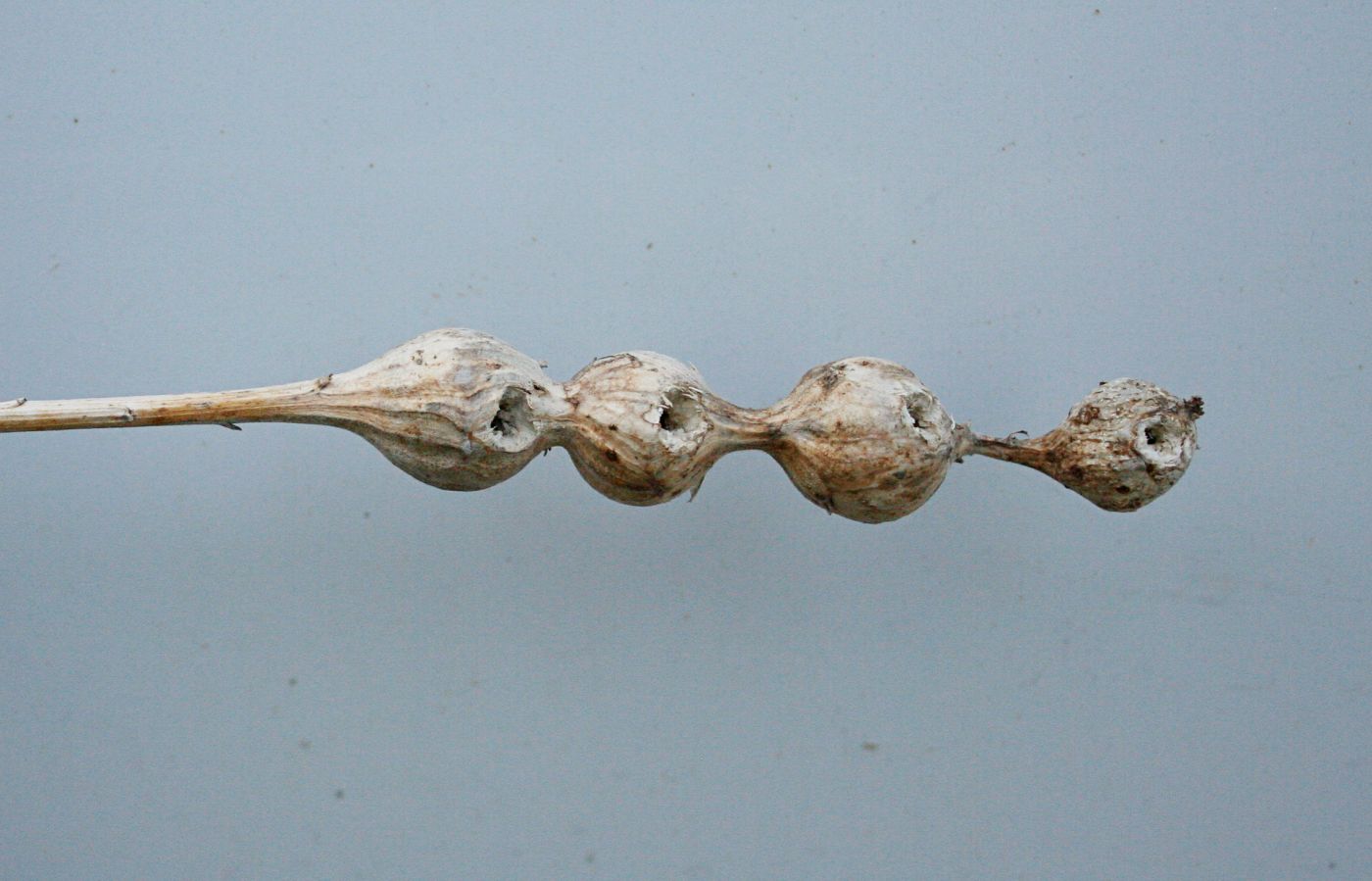
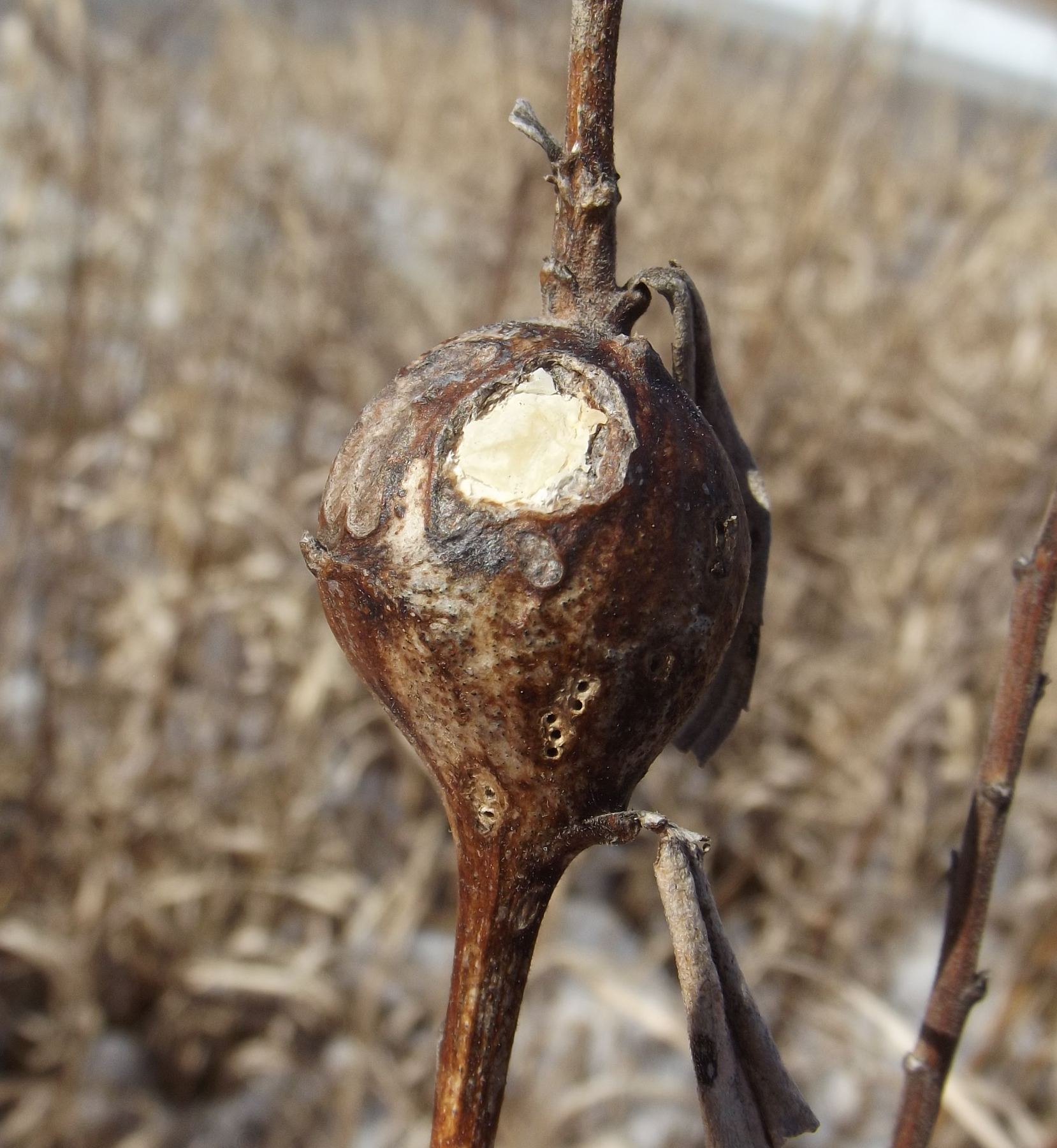
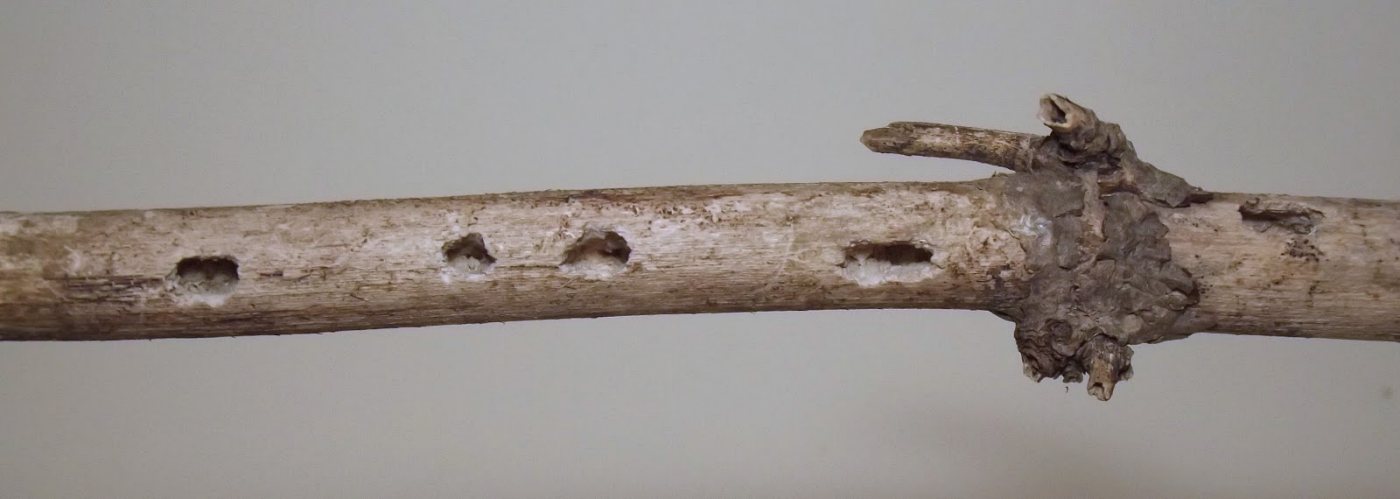
The Eurosta solidaginis gall in image 4-04 has a large, externally-excavated hole stuffed with waxy or resinous material similar to that used by some kinds of bees to construct their nests. I suggest that a bee was responsible for this sign, and that it fits into a larger, documented pattern of bees using Eurosta solidaginis galls as nest sites (see, e.g., McCollum 2016 and Mapes et al. 2024). This may qualify more as a inquilinous than a predatory relationship, depending on the specifics of the interaction. Aside from the repurposed goldenrod ball gall and the other findings below, I have also witnessed so-called "bump" galls made by a Tetramesa species on Elymus (0208) and a single gall of Astictoneura muhlenbergiae on Muhlenbergia (0340) that appeared to have been broken or chewed open.
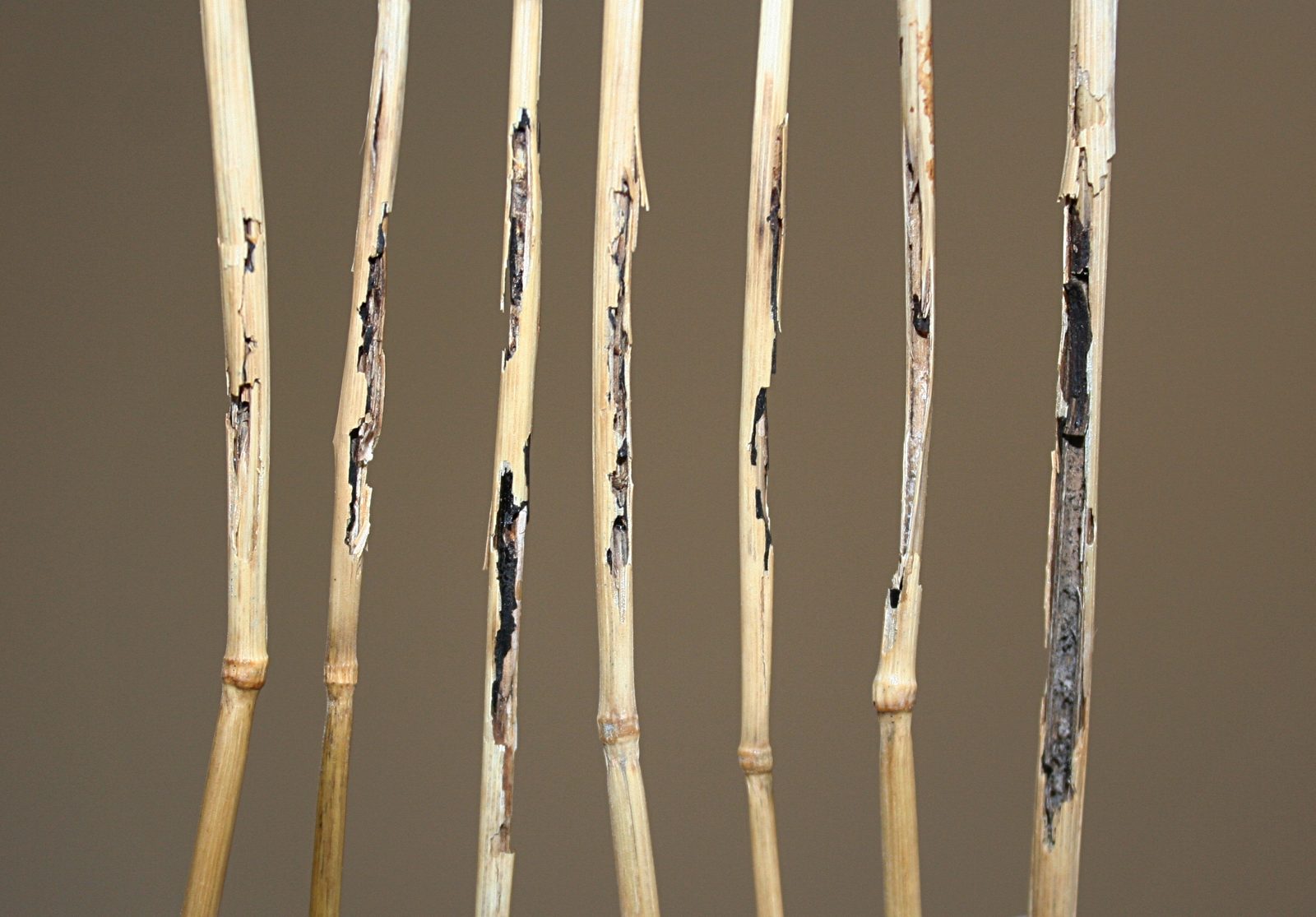
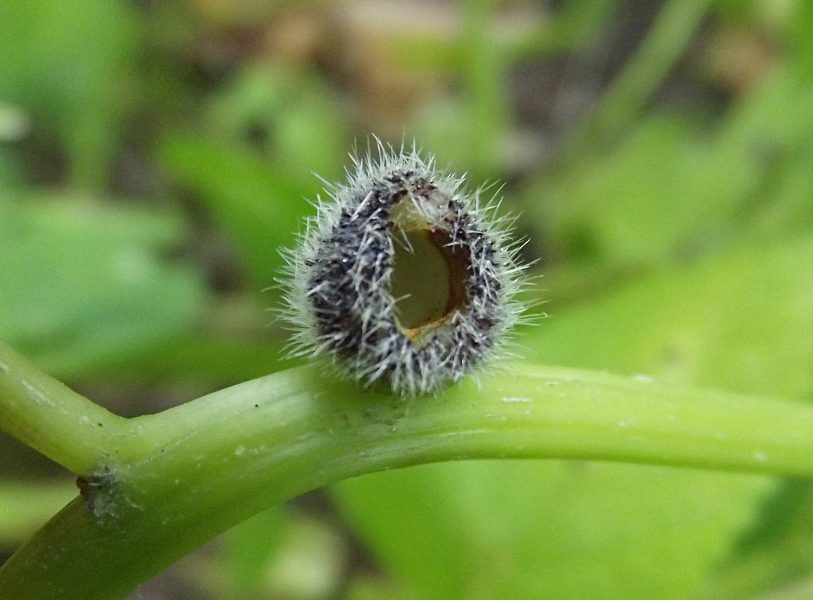
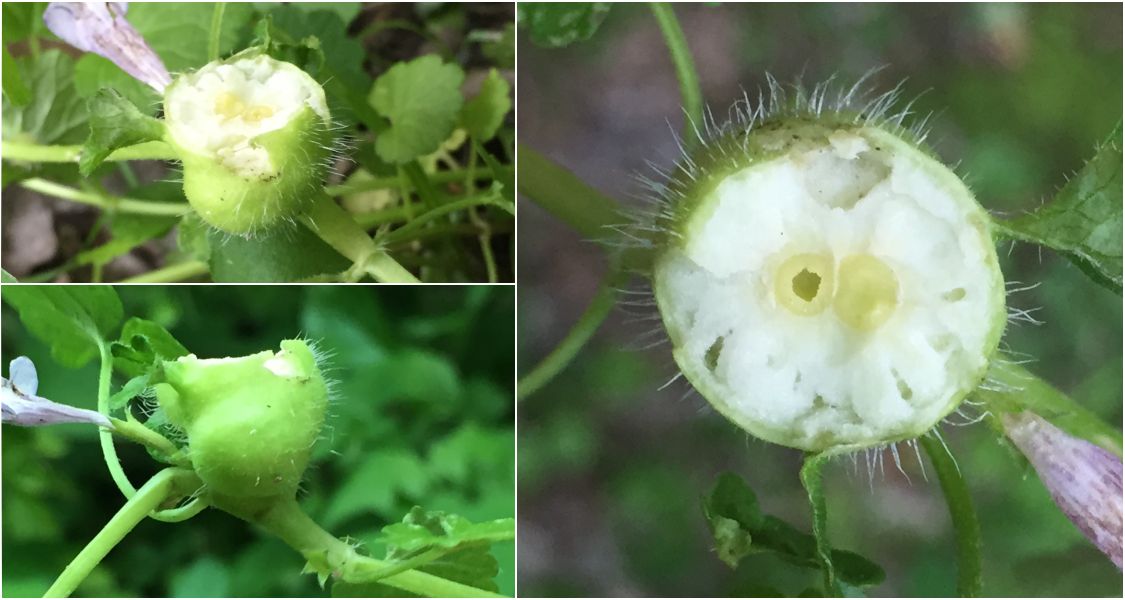
Miscellaneous predation on borers

- Mapes, C.C., Falkowski, J., Setliff, G.P., Gallagher, K., Ruoss, J.P., Mortensen, L., Hinkle, E., Beard, R. and R. Hilger. 2024. Bees nesting in insect galls and a description of a novel nesting site for Megachile montivaga Cresson, 1878 (Hymenoptera: Megachilidae) in goldenrod ball galls of Solidago altissima L. (Asteraceae). The Pan-Pacific Entomologist 100(4): 384-393.[return to in-text citation]
- McCollum, A. 2016. Unknown Solidago/Eurosta gall borer - Megachile. Contributor post at BugGuide.net. Retrieved May 19, 2026 from https://www.bugguide.net/node/view/1181294/bgimage.[return to in-text citation]
Page created: April 19, 2026. Last update: September 12, 2026